Embrace a virtual intensive outpatient program
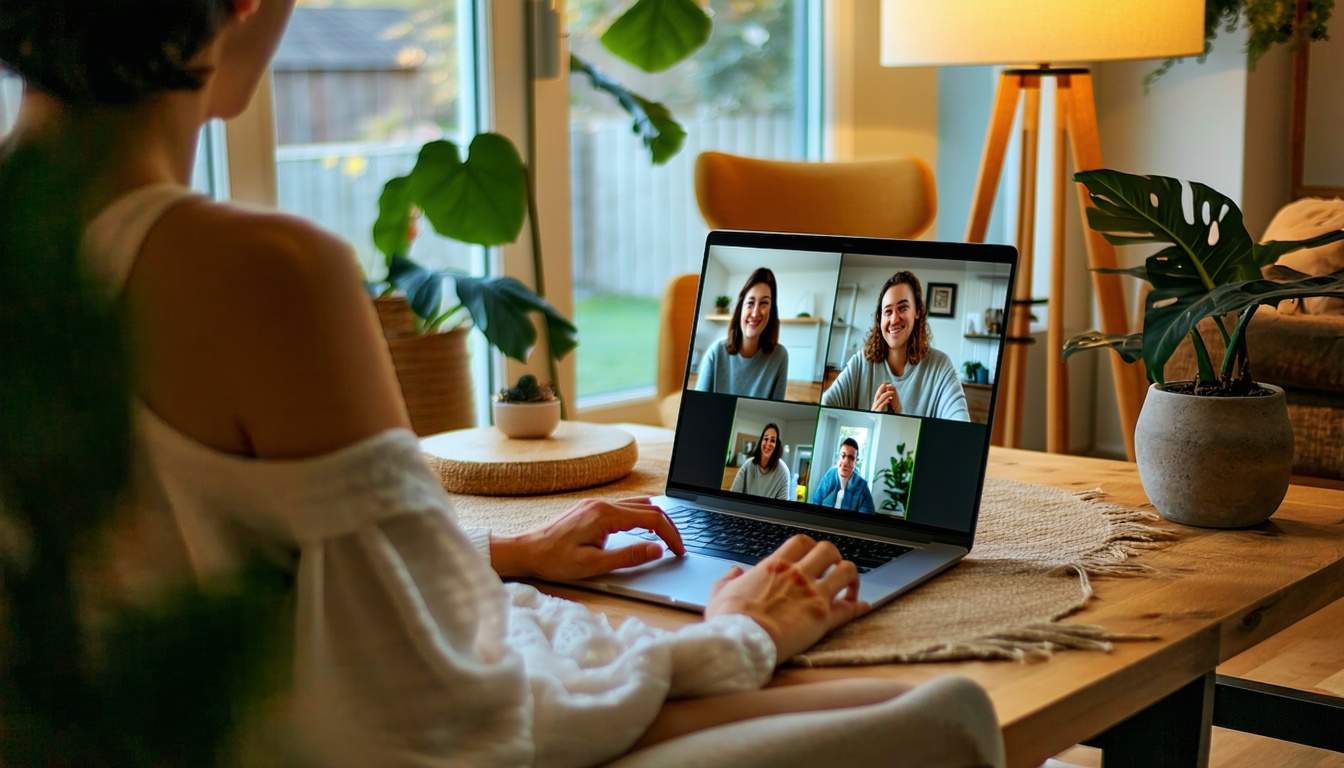
If you or a loved one are exploring options for residential mental health treatment services, you may already know that finding the right level of care can make all the difference in your recovery journey. One solution that has gained substantial traction is a virtual intensive outpatient program. This flexible model provides many of the therapeutic benefits of in-person care, but it is delivered remotely, so you can attend sessions from home. Additionally, it offers a blend of supportive therapies designed to address emotional, mental, and behavioral health needs without the added pressure of commuting or rearranging your entire schedule.
A virtual intensive outpatient program, often called a remote or online IOP, involves multiple weekly therapy sessions, support groups, and skill-building activities to help you navigate mental health challenges effectively. While traditional outpatient care might only involve one session per week, an IOP typically requires several hours of structured treatment. Studies from organizations such as Trinity Behavioral Health reveal that virtual intensive outpatient programs can yield similar—sometimes even greater—engagement rates compared to in-person outpatient services. These findings highlight the program’s potential for strong retention, especially if you or your loved one prefer more flexible scheduling.
Early research also confirms that virtual programs can support improvements in depression, anxiety, and even self-harm behaviors. According to Charlie Health, over 90% of virtual IOP participants reported reductions in anxiety symptoms, and nearly 93% experienced improved scores for depressive symptoms. Although not every study is conclusive, mounting evidence shows that remote delivery can be a powerful tool for those seeking help, especially when travel constraints, work responsibilities, or other life commitments pose barriers to in-person treatment.
Yet, there is more to an online IOP’s success than convenience. Quality of care and supportive relationships significantly shape the effectiveness of remote therapy. At BrightPath Program, we design our virtual and hybrid services to mimic the same compassionate, structured environment you would find on-site. This means a consistent schedule, individualized treatment paths, and a variety of evidence-based approaches to target mental and emotional well-being. Our goal is to mirror the strengths of residential mental health treatment services while eliminating some of the practical hurdles that often stand in the way of critical care.
By embracing a virtual intensive outpatient program, you empower yourself or your loved one to remain connected to day-to-day life while receiving the support necessary for lasting recovery. As you read on, you will learn about the benefits of this flexible treatment method, see how it compares to other care levels, and discover how BrightPath Program’s comprehensive approach can help you navigate challenges ranging from depression and anxiety to co-occurring disorders.
Understand advantages of flexible treatment
Choosing a treatment option that accommodates work responsibilities, family tasks, and other life circumstances is often pivotal in long-term success. A virtual approach to intensive outpatient care can meet these demands. Instead of requiring you to commute daily, remote sessions occur through secure teleconferencing platforms. This procedure preserves the essential structure of therapy while reducing stress and logistical barriers.
Scheduling convenience
Some individuals postpone or forego accessing mental health support because in-person care does not easily align with full-time jobs, parenting responsibilities, or transportation limitations. A virtual IOP can simplify the scheduling puzzle by allowing you to attend group sessions, individual therapy meetings, and family counseling from any location with a stable internet connection. For many, this flexibility can be a deciding factor, especially if you live in a remote area without readily available specialty care or if you have difficulty navigating public transportation.Enhanced access to specialized care
Telehealth is reshaping the way individuals discover and engage with mental health services. By eliminating the geographic boundaries of in-person treatment, you gain access to specialists who may practice too far away for regular commutes. Whether you are seeking anxiety disorder treatment, depression treatment, or dual diagnosis treatment, virtual programs can create opportunities to match you with the most suitable clinical team.Discreet and comfortable environment
Pursuing help for mental health or addiction challenges often requires an element of privacy. Although there is no shame in seeking professional support, many individuals appreciate the confidentiality that telehealth offers. A virtual program lets you participate from home or any other quiet environment. This familiarity can reduce the stigma some people feel walking into a face-to-face group setting. When you are more relaxed, you can engage more openly in discussions and exercises, thereby making each session more meaningful.Lower barriers to consistent care
Continuity is essential for mental wellness. If inclement weather, transportation issues, or shift work cause you to miss in-person sessions, growth may stagnate. Virtual formats tend to reduce no-show rates, which is critical for maintaining momentum in recovery. Some programs even provide a safety net in the form of 24/7 crisis support or readily available on-call professionals. This ensures that help is never too far, boosting your sense of security.
For many individuals, a remote approach offers a refreshing blend of autonomy and structure. You can meet your occupational, academic, or family obligations without compromising the intensity of therapy. By removing barriers such as lengthy commutes and rigid schedules, a virtual IOP can allow you to focus on healing, self-reflection, and implementing new coping mechanisms in real time.
Compare residential and outpatient care
If you are deciding among various mental health resources, you might feel uncertain about whether to pursue a virtual IOP, a partial hospitalization program, or full residential care. Each pathway addresses a unique set of needs, and determining which is right for you usually depends on factors such as the severity of your symptoms, co-occurring disorders, home environment, and overall treatment goals.
– Residential mental health treatment services: This highly structured option is best suited for moderate to severe mental health challenges that require 24-hour supervision and support. At BrightPath Program, we offer a safe environment for individuals who might otherwise be at risk if they attempt to recover in a less controlled setting. Residential care can include an array of therapies—one-on-one counseling, psychiatry, holistic practices, and group therapy—and often fosters an immersive community dynamic.
– Partial hospitalization program (PHP): If you or your loved one needs intensive care but still prefer to return home in the evenings, a partial hospitalization program can be a great middle ground. PHP sessions typically run most of the day, multiple days per week, delivering robust therapy with medical oversight. This structure is ideal if you have a stable support system at home, but still need more rigorous treatment than a standard outpatient plan can provide.
– Intensive outpatient program (IOP): A step below PHP, an IOP offers multiple sessions per week—often a mix of group therapy, individual counseling, and other therapeutic activities—yet allows you to maintain greater independence. In-person IOPs can be highly effective, particularly for clients who need ongoing care but do not require 24/7 supervision. A virtual intensive outpatient program follows a similar format but places convenience at the forefront.
Deciding between these pathways often involves balancing clinical necessity with personal life circumstances. Inpatient or residential services may be vital if you face severe symptoms that compromise your safety. Conversely, if you can uphold daily responsibilities and have a lower risk level, an IOP—especially a virtual model—could be the best fit. Regardless of the route, BrightPath Program stresses the importance of individualized plans. You should not be locked into one approach if your needs evolve over time. Many of our clients begin with one level of care, then step up or down as their mental state and personal circumstances shift.
Focus on comprehensive therapies offered
An essential component of effective mental health treatment involves connecting with evidence-based techniques that address your emotional, cognitive, and behavioral patterns. At BrightPath Program, we incorporate a variety of therapies into our offerings, whether you choose residential care, on-site IOP, or a virtual option. The objective is to promote a holistic recovery process, focusing on all aspects of your well-being.
Cognitive Behavioral Therapy (CBT)
CBT is one of the most widely studied methods for treating conditions like depression, anxiety, and substance use disorders. The therapy is designed to help you recognize detrimental thought patterns and develop healthier habits. For some participants, discovering how negative beliefs and behaviors intersect can be a transformative experience. In group CBT sessions, you may also benefit from peer feedback that fosters a sense of camaraderie and accountability.Dialectical Behavior Therapy (DBT)
If intense emotions are at the core of your struggles, DBT can teach you practical strategies for emotional regulation, distress tolerance, and interpersonal effectiveness. Through role-playing and skill-building exercises, you refine how you respond to stress factors, from family conflicts to unexpected triggers in public. These techniques can be well-adapted to virtual IOP settings, allowing you to practice managing triggers in your day-to-day life.Trauma-informed care
Untreated trauma can manifest in destructive patterns of substance misuse or mental health crises. Therapies such as Eye Movement Desensitization and Reprocessing (EMDR), narrative therapy, or supportive counseling can help you process the root causes of psychological wounds. A trauma-informed approach ensures that your treatment plan is sensitive to your personal history, helping you feel less isolated or re-traumatized as you work toward healing.Family-focused interventions
Family therapy, parenting coaching, and couples counseling can be crucial parts of your treatment, especially if you recognize that strained relationships worsen your stress. Through structured group sessions, loved ones learn healthy ways to set boundaries, communicate effectively, and offer consistent emotional support. Family involvement can be adapted for virtual formats, which is particularly valuable for connecting with relatives who live far away.Co-occurring disorder management
For individuals facing both mental health and substance use challenges, integrated care is essential. At BrightPath Program, you can explore specialized substance abuse treatment or dual diagnosis treatment to address both conditions simultaneously. Managing these issues together often increases the likelihood of success, since unresolved mental health symptoms can lead to recurring challenges with substance use, and vice versa.
Several studies underscore the significance of multifaceted care. As shared by Plural Healthcare, a comprehensive approach that includes therapies like CBT, DBT, trauma-informed care, and family counseling has produced meaningful improvements for many clients in both traditional and virtual environments. A program that integrates these interventions can be a strong fit if you value an organized yet adaptable treatment model.
See the research on virtual IOP
Early skepticism about online-based care is slowly shifting to recognition of its potential. According to Ikon Recovery Centers, multiple studies show that virtual and in-person intensive outpatient programs produce comparable outcomes in matters of patient retention and symptom improvement. This similarity emerges across vast mental health and addiction challenges, indicating that telehealth-based approaches do not necessarily compromise quality.
Furthermore, an article from NCBI highlights an 8.51% completion rate in a large sample of telehealth IOP participants who completed the program outright, plus 35.82% who successfully stepped down to outpatient care (for a combined rate of nearly 45% who no longer needed the same intensity of services). Among those who engaged at least 30 days, 91% achieved 30 consecutive days of abstinence from substances. These numbers illustrate both the viability and the potential for stable recovery when participants remain active in a remote setting over time.
Of course, ongoing research points out that not all virtual programs are of equal quality. Factors such as clinical expertise, program design, and technology ease-of-use can heavily influence outcomes. Some healthcare providers, like Plural Healthcare, voice caution about prematurely generalizing results, emphasizing that more data is needed to form a gold standard for telehealth IOPs. Yet even they concur that early findings are promising enough to justify continued use and further investigation.
At BrightPath Program, we work to align our virtual intensive outpatient program with industry best practices, recognizing that no single approach works for everyone. Our clinicians remain at the forefront of telehealth innovations, so you gain access to relevant therapies, digital support groups, and individualized care plans. We also keep group sizes manageable to foster genuine connection, even if everyone is attending from different locations. Combined with our use of evidence-based therapies, this structure promotes meaningful interactions between clients and staff, creating an atmosphere of trust and mutual respect.
Join a supportive environment today
Support and empathy are often overlooked pieces of the puzzle, but they are vital to a successful treatment experience. The stifling effects of isolation or stigma can compound mental health struggles and reduce motivation. In a nurturing environment, however, you are more likely to speak openly about cravings, triggers, or depressive episodes and more receptive to suggestions for coping.
– Peer support: Interacting with others who share your experiences can reduce a sense of shame, which is common when dealing with mental health challenges. A supportive network also helps you build skills like empathy, accountability, and perspective-taking. Many participants in a virtual IOP learn valuable lessons from what peers share in group sessions.
– Expert guidance: Therapeutic support and comprehensive care often require professional insight. Through a virtual format, you still receive one-on-one sessions with a licensed counselor or therapists specializing in a range of areas, from substance abuse to trauma therapy. Meanwhile, psychiatrists or prescribing clinicians can monitor medication and adjust dosages as needed.
– BrightPath Program’s commitment: We strive to offer an environment where you feel safe to discuss setbacks or breakthroughs without judgment. If you want to step up your care, you might consider our day programming mental health services or even transition into residential mental health treatment if your circumstances change. Likewise, stepping down to a less intensive level—like an aftercare mental health program—is always an option once you stabilize.
You or your loved one can find a sense of belonging and encouragement rather than feeling “on your own.” Our programs continually refine their group offerings and educational tools to adapt to evolving needs. From cognitive restructuring exercises to guided mindfulness practices, each technique is shared in the spirit of respect and understanding.
Frequently asked questions
Below are five questions that many individuals have when exploring a virtual intensive outpatient program. Reviewing these points can add clarity while helping you or a loved one feel confident in your decision.
What is the difference between a virtual IOP and a standard outpatient program?
A standard outpatient program typically involves one therapy session per week, plus occasional group meetings. In contrast, a virtual IOP requires more frequent appointments—often three to four days per week—with more structured group or individual sessions. Because of its intensity, you receive the benefit of consistent monitoring and guidance while still preserving your regular commitments. Although standard outpatient programs serve a valuable purpose, a virtual IOP is recommended when you need a higher level of support and accountability without enrolling in full residential care.How effective is online treatment for mental health or addiction issues?
Research suggests that remote treatment can be highly effective, provided it is administered by qualified professionals using evidence-based methods. Data from Trinity Behavioral Health shows promising outcomes, including improvements in anxiety and depression levels similar to those achieved in brick-and-mortar settings. The key lies in choosing a reputable provider with a comprehensive treatment approach. At BrightPath Program, we uphold industry standards by tailoring personalized plans that integrate multiple therapies, peer support, and ongoing assessments.Can I switch to residential care if my condition worsens?
Yes. One advantage of working with a robust provider is the freedom to move between care levels. If you find that symptoms become too severe for safe management at home, or if your environment lacks the stability required for recovery, transitioning to a more intensive option—such as a residential mental health treatment services or a partial hospitalization program—can help. We encourage you to contact our clinical team to re-evaluate your treatment plan as soon as you sense you need a higher level of support.Will my family be included in therapy sessions?
Family involvement can be a crucial element in strengthening your support system. Virtual sessions often allow relatives to participate from different locations, which can be a significant advantage. Family therapy or a family coaching group program can help identify negative patterns, reduce conflicts, and foster healthier communication. If you prefer additional focus on parenting strategies or relationships, your counselor may also recommend a targeted parent coaching group.How long does a virtual IOP usually last?
The duration typically varies based on individual needs. Many programs last around eight to 12 weeks, with the possibility of extension if necessary. According to Charlie Health, a standard timeframe is 9-12 weeks, although outcomes depend on factors such as motivation, progress in therapy, and symptom severity. At BrightPath Program, our clinicians work closely with you to track milestones and ensure that your stay in the IOP aligns with your health goals. If you achieve stability sooner, you might move to a lower-intensity program, such as an adult mental health outpatient program or a structured aftercare plan.
Take your next step
Choosing a virtual intensive outpatient program can help you conquer mental health or substance use challenges while still balancing work, family, or academic responsibilities. For many, the immediate appeal is clear: online solutions reduce commuting hassles, broaden access to specialized care, and offer a sense of comfort by letting you open up in a familiar setting. Yet the appeal runs deeper than convenience. When guided properly, telehealth can facilitate genuine change through therapies like CBT, DBT, and trauma-informed care.
By partnering with BrightPath Program, you gain a multidimensional support system committed to your well-being. Our clinicians personalize every stage, from intake through aftercare, building on the principle that mentally healthy habits form the backbone of a fulfilling life. Whether you need the structure of substance abuse treatment to address addictive behaviors or are managing a co-occurring condition that benefits from dual diagnosis treatment, we are here to help you set and achieve realistic goals.
If you believe a virtual IOP is the right fit, we encourage you to reach out today. Our team will walk you through the enrollment process, discuss treatment logistics, and design a schedule centered on your needs. For some, an online approach can serve as a gateway to deeper forms of care if necessary, including on-site IOP or even residential programs. For others, virtual treatment can stand alone, offering all the necessary services to strive for meaningful progress and sustainable wellness. You deserve comprehensive care that respects your life’s demands and personal history, and BrightPath Program would be honored to guide you on the path toward lasting recovery.