Understanding telehealth relapse prevention in Atlanta
If you are rebuilding life after treatment, telehealth relapse prevention in Atlanta can help you stay connected to care without disrupting your work, family responsibilities, or school. Virtual programs give you ongoing support at home, which is often when cravings, stress, and triggers show up most intensely.
Telehealth is more than just video calls. For relapse prevention it usually combines:
- Individual therapy and psychiatry
- Virtual group support
- Digital check ins and case management
- Structured online PHP and IOP programs
Research shows that telehealth can improve your chances of staying engaged in continuing care. A 2022 study in JAMA Psychiatry found people were 27% more likely to remain in treatment three months after discharge when follow up care was virtual rather than in person. For you, that continued engagement can be the difference between maintaining progress and slipping back into old patterns.
Why relapse prevention matters after treatment
Relapse is common in recovery and does not mean you have failed. Substance use and many mental health conditions are chronic, which means symptoms can come and go over time. Ongoing relapse prevention support helps you catch early warning signs and adjust your plan before a crisis occurs.
In Atlanta, you may be balancing long commutes, traffic, family commitments, or demanding work schedules. Even when you want to continue care, logistics can make it hard to attend in person appointments regularly. Telehealth relapse prevention bridges that gap so you can keep your support system close while you live your daily life.
You might use telehealth as a step down from residential or in person PHP, or as a primary way to stay connected to a therapist, psychiatrist, and peer community. Many people find that having structured virtual support several times per week helps them translate what they learned in treatment into real world coping skills.
How virtual PHP and IOP support your recovery
Bright Path’s virtual PHP and IOP services are designed for Atlanta residents who need more than once a week therapy but cannot attend treatment on site every day. These structured levels of care give you intensive support in a flexible, remote format.
What a remote PHP program can look like
A partial hospitalization program, or PHP, usually provides a full day of programming five days per week. In a remote PHP program in Atlanta, you typically:
- Log in from home to a secure video platform
- Attend multiple therapy groups each day
- Meet individually with a therapist and case manager
- Have access to telepsychiatry for medication management
- Work on a personalized relapse prevention and safety plan
Virtual PHP can be especially helpful in the first weeks after residential treatment or a hospital stay, when your symptoms may still be unstable and your risk of relapse is higher. You receive intensive support but can also begin reintegrating into your home environment with clinical guidance.
How a virtual IOP fits into daily life
An intensive outpatient program, or IOP, provides several hours of care a few days per week. A virtual IOP for mental health in Atlanta is often the next step down from PHP or an option if you need more structure than weekly therapy.
In a virtual IOP you may:
- Attend therapy groups three to five days per week
- Meet one on one with a primary therapist
- Check in with a psychiatrist through virtual psychiatric evaluations
- Build coping skills that fit your work or school schedule
Virtual IOP is designed to integrate with your real life. You can go to work or class, then log into group in the evening or at set times during the day, depending on program structure. This balance helps you practice relapse prevention skills in the actual environments where you typically struggle.
Benefits of telehealth relapse prevention in Atlanta
Telehealth relapse prevention in Atlanta offers more than convenience. It changes how easily and consistently you can access care.
Increased access and flexibility
Telehealth removes some of the biggest barriers to ongoing treatment: transportation, time, and geography. If you live outside the Perimeter, in a different part of Georgia, or do not drive, you can still connect with qualified providers in Atlanta as long as you have an internet capable device.
Remote care also reduces the time cost of getting help. You avoid traffic and parking and can schedule appointments around work shifts or childcare. In one large review, telehealth programs were associated with fewer hospital readmissions and emergency visits for people in addiction treatment, in part because regular virtual check ins helped catch problems early.
Better engagement and lower relapse risk
Studies suggest that virtual care can help you stay engaged longer. Telehealth based medication assisted treatment has been shown to improve adherence by about 15 percent compared with in person care, which supports more stable recovery from substance use disorders.
In addition, a 2023 study of AI supported telehealth platforms reported a 19 percent reduction in relapse rates in outpatient substance use treatment, partly because these tools can detect early risk patterns and prompt providers to respond quickly.
Virtual peer support apps like Sober Grid and WEconnect have also been associated with about 40 percent better adherence to continuing care plans in pilot work at the Hazelden Betty Ford Foundation, highlighting how digital tools can strengthen accountability.
Support that fits your lifestyle
Telehealth lets you receive care in the environment where you actually live, which can make relapse prevention more practical. You can join a session from your living room, step outside on a break to practice a grounding exercise, then return to discuss how it felt in real time.
For many people in Atlanta, this type of integrated support makes it easier to:
- Apply coping skills at home and at work
- Involve family or roommates in the recovery process
- Maintain privacy while still receiving intensive help
Programs that address both substance use and mental health through virtual dual diagnosis care in Atlanta are especially helpful if you manage conditions like depression, anxiety, PTSD, or bipolar disorder along with addiction. When both are treated together, your relapse risk usually decreases.
HIPAA compliant, secure virtual care
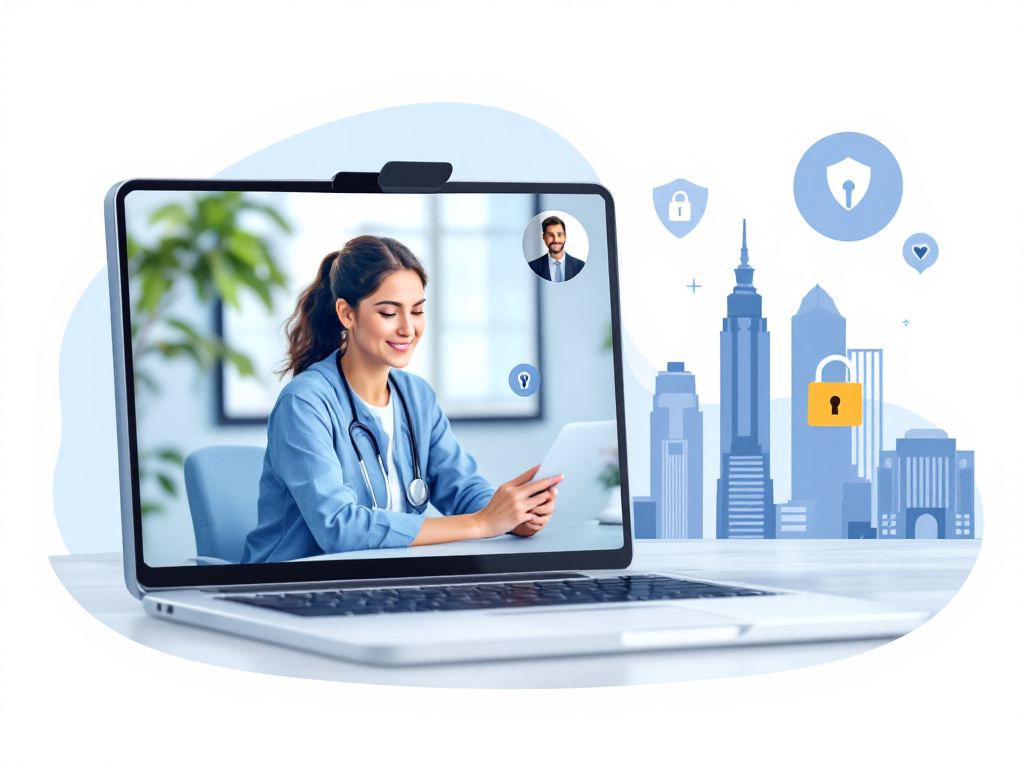
Privacy and security matter, especially if you are a professional, student, or caregiver who cannot risk confidential information being exposed. Telehealth relapse prevention in Atlanta uses HIPAA compliant platforms that encrypt your video sessions, messages, and records.
If you are concerned about data security, you can explore more about HIPAA compliant virtual care in Atlanta. These services are built to protect your health information while still making care easy to access.
Secure telehealth platforms also make it possible to coordinate with other professionals in your life when you consent to it. Your therapist or psychiatrist can, for example, collaborate with your primary care doctor, school counselor, or another specialist through secure channels.
What services you can access through telehealth
Virtual relapse prevention is not one single service. It is usually a blend of therapies and supports that work together.
Individual therapy and counseling
Regular one on one sessions help you explore triggers, build coping skills, and work through underlying issues such as trauma, grief, perfectionism, or relationship stress. With telehealth therapy sessions in Atlanta, you can schedule appointments without needing to leave home or your office.
If you prefer a fully online approach, an online mental health program in Atlanta or digital outpatient counseling in Atlanta can provide flexible ongoing therapy tailored to your schedule and needs.
Psychiatry and medication support
For many people, medications are an important part of relapse prevention. You may be prescribed medications for cravings, mood stabilization, anxiety, ADHD, or sleep. Telepsychiatry and virtual psychiatric evaluations let you:
- Start or adjust medications without commuting into the city
- Discuss side effects promptly
- Coordinate care with your therapist and medical team
Virtual medication assisted treatment, or tele MAT, has been shown to improve treatment adherence and make it easier for people to stay connected to their providers long term, which is critical in chronic substance use disorders. A study by RTI International and the University of California found that telehealth based substance abuse treatment increased both engagement and retention compared with in person only care.
Group therapy and peer support
Relapse prevention is often stronger when you are not doing it alone. Virtual group therapy sessions in Atlanta provide a confidential space to talk with others who understand what you are going through. In group you can:
- Practice communication and boundary setting
- Learn how others navigate cravings and stress
- Build accountability and encouragement
Telehealth does create some unique challenges, such as fewer nonverbal cues and occasional interruptions at home. In a trial of group based telehealth treatment for smoking cessation and alcohol use, facilitators noted issues like children appearing on camera and difficulty reading body language. These were addressed with specific Zoom training, staff support for tech issues, and clear privacy guidelines, and participants still reported increased comfort with telehealth over time.
Case management and practical support
Recovery is not just about symptoms or cravings. It also involves housing, employment, finances, legal issues, and family responsibilities. With telehealth case management in Atlanta, you can work remotely with a case manager to:
- Connect with community resources
- Navigate insurance and benefits
- Plan transitions between levels of care
- Coordinate aftercare and follow up appointments
Having this layer of support can reduce stressors that often contribute to relapse.
Including your support system through telehealth
Family and close friends can play a vital role in your relapse prevention plan. With telehealth family therapy in Atlanta, your loved ones can join sessions from different locations, which is especially useful if you have relatives in other parts of Georgia or the United States.
Family sessions may focus on:
- Improving communication and boundaries
- Understanding addiction and mental health conditions
- Creating a safer, more supportive home environment
- Developing shared plans for crisis or high risk situations
Telehealth makes it easier for everyone involved to attend regularly. This consistency often leads to more meaningful change in family dynamics, which can support your recovery long term.
Technology, comfort, and access considerations
If you have never used telehealth before, you might be unsure about the technology. In practice, most people adapt quickly. In one remote group treatment study, over half of participants requested help with Zoom at first, but reported their comfort increasing over the course of treatment, and screen sharing became one of the most helpful features for learning and engagement.
If you are worried about not having the right device or data plan, it is worth asking programs what they can offer. In some trials, nearly one third of participants were loaned tablets with data plans, and the majority were successfully returned after treatment. This kind of support can make telehealth viable even for those with limited technology access.
You can also explore telehealth counseling for mental health in Atlanta that is designed to work on smartphones as well as computers, which can help if you do not have a laptop or private office space.
Evidence based care in a virtual format
The effectiveness of telehealth relapse prevention in Atlanta depends on the quality of the therapies you receive, not just the platform. Look for programs that provide evidence based therapy in Atlanta such as:
- Cognitive behavioral therapy
- Dialectical behavior therapy skills
- Motivational interviewing
- Mindfulness based relapse prevention
Studies of remote group mindfulness programs for smoking and alcohol have shown that fully virtual delivery can expand access, especially for people with transportation or childcare barriers in urban areas like Atlanta, while still supporting positive behavior change.
Some telehealth programs also use digital tools like relapse prevention apps and wearable devices to monitor symptoms and cravings in real time. In trials of similar platforms, participants had fewer risky drinking days and higher rates of abstinence, suggesting that thoughtfully designed technology can reinforce skills learned in therapy.
If you are unsure which therapies might fit you best, a personalized assessment and treatment in Atlanta can help map out your needs and recommend a combination of virtual services. From there, you and your team can engage in customized treatment planning in Atlanta that reflects your history, goals, culture, and values.
Planning for life after intensive treatment
Relapse prevention does not end when PHP or IOP is complete. You still need ongoing support as you move into less intensive care. Online mental health aftercare in Atlanta can include:
- Weekly or biweekly individual teletherapy
- Ongoing virtual groups and alumni meetings
- Periodic psychiatric follow ups
- Access to telehealth crisis support or urgent appointments
Virtual aftercare options like these have been linked to sustained engagement and lower relapse rates, partly because they are easier to maintain as your schedule fills up again. Telehealth is especially valuable if you travel for work, change jobs, or move to a different part of the state, because you can often keep working with the same providers.
Programs such as DevotedDOC illustrate how virtual medication assisted treatment can remain accessible long term. DevotedDOC provides physician led telehealth for opioid use disorder, including online Suboxone visits and buprenorphine microdosing through the Bernese Method, which is particularly helpful for people using fentanyl or high dose opioids. They focus on transparent, affordable pricing without requiring insurance, which reduces financial barriers to continued relapse prevention care.
Coordinating care, insurance, and next steps
Navigating insurance and costs can be challenging when you are already working hard on recovery. Many Atlanta based telehealth programs are in network with major insurers, and some accept Medicaid or offer self pay options. The Recovery Village South Atlanta, for example, offers in network substance abuse treatment and teletherapy through its Nobu app, with secure, HIPAA compliant telehealth for relapse prevention and mental health support.
If you want help understanding your coverage, you can start with insurance verified treatment in Atlanta. Verifying benefits early can clarify what levels of virtual PHP, IOP, or outpatient care are available to you and what your out of pocket costs might be.
Once your insurance is confirmed, you can work with providers to decide which combination of services fits your needs, such as:
- A virtual intensive outpatient program in Atlanta as a step down from inpatient care
- Regular teletherapy addiction support in Atlanta for cravings and triggers
- Ongoing [telehealth relapse prevention in Atlanta] through structured aftercare and digital supports
Telehealth gives you options. You can adjust intensity over time, add or pause groups, increase or decrease psychiatry visits, and involve your family more or less depending on what feels most helpful at each stage of recovery.
Getting started with telehealth relapse prevention in Atlanta
Beginning telehealth relapse prevention in Atlanta typically involves a few clear steps:
- Schedule an intake or assessment, often through an online form or phone call.
- Complete a virtual psychiatric evaluation or clinical assessment so your team understands your history, current symptoms, and goals.
- Collaborate on a customized treatment plan that may include virtual PHP, IOP, individual therapy, psychiatry, and family work.
- Set up your technology and learn to use the secure platform, with staff help if you need it.
- Begin attending sessions, track your progress, and adjust your plan as life changes.
If you are ready to protect the progress you have already made, telehealth relapse prevention in Atlanta can give you consistent, evidence based, and secure support that fits into your real life. With the right combination of virtual PHP or IOP, therapy, psychiatry, and aftercare, you can build a sustainable recovery plan that grows with you over time.