Why warning signs of mood disorders by age matter
When you look for warning signs of mood disorders by age, you are really asking an important question: is this a normal phase or a sign that your child or loved one is struggling with a mental health condition?
Research shows that nearly half of all mental disorders start before age 18, and over 60% start before age 25 [1]. At the same time, many people wait more than a decade after symptoms first appear to get help [2]. Understanding how symptoms look at different ages can help you act earlier and more confidently.
Mood disorders affect people across the lifespan, including children, teens, young adults, and older adults [3]. However, the way these disorders show up at age 8 is very different from how they look at 18 or 40. You are not expected to diagnose anyone, but you can learn to spot patterns that suggest it is time for a professional evaluation.
In this guide, you will see how mood symptoms typically appear at different stages, how to distinguish normal ups and downs from something more serious, and what to do if you are concerned about your child, teen, or another loved one.
How mood disorders develop across ages
Mental health does not follow a single timeline. Different types of conditions tend to emerge at different ages, and that affects how you recognize them.
Large international studies have found that:
- Phobias and separation anxiety often begin between ages 7 and 14 [2]
- Many eating disorders and obsessive compulsive disorder tend to emerge in late teens and early twenties [1]
- Mood disorders in general become more common from the early teen years into middle adulthood, with a median onset between ages 25 and 45 [2]
- About a third of people who will ever have a mood disorder experience onset before age 25 [1]
This means you should expect that some emotional swings are part of normal development, especially in adolescence, but you should also know that serious conditions often start during these same years. Recognizing age-specific patterns can help you decide when typical moodiness has crossed into something that needs professional attention. Resources that explain how age impacts mental health symptoms can add helpful context as you learn to spot these differences.
Warning signs in young children (roughly ages 4 to 10)
Very young children rarely say things like “I feel depressed.” Instead, mood disorders often show up through behavior, energy, sleep, and physical complaints.
Common early mood warning signs
According to child mental health experts, you should pay attention if you notice:
- A clear and lasting change from your child’s usual personality or mood
- Increased irritability and sensitivity to criticism, especially if this is new or much more intense than before [4]
- Withdrawal from activities they used to enjoy, like playdates, sports, or favorite games [4]
- New physical complaints such as frequent stomachaches or headaches that do not have a clear medical cause [4]
- Atypical lack of motivation, such as often saying “I do not want to” or “I cannot” in situations they once approached with enthusiasm [4]
These patterns should be persistent, not just a difficult afternoon or a bad week. Children’s Hospital of Philadelphia notes that signs of mood disorders in children are typically intense, difficult to manage, and ongoing, rather than occasional bad moods [5].
Irritability and disruptive moods
In young children, depression and other mood problems often look more like “being difficult” than “being sad.” You might see:
- Frequent, intense temper tantrums that are out of proportion to the situation
- Chronic anger or irritability almost every day
- Outbursts that occur three or more times a week and persist for a year or more, with an irritable mood in between, a pattern that can be part of disruptive mood dysregulation disorder [6]
This kind of severe, ongoing irritability should be distinguished from typical toddler or early school-age tantrums. A mental health specialist can help determine whether the pattern fits a mood disorder, a behavioral condition, or a combination.
When to seek an evaluation for young children
You should consider a professional evaluation if:
- The behaviors or mood shifts have lasted for at least several weeks
- They interfere with school, play, or family life
- Teachers or caregivers are reporting similar concerns
- You notice withdrawal, low energy, or physical complaints that do not improve
Specialists emphasize that early recognition and treatment can reduce symptom severity and support healthy growth and development in children [7].
Warning signs in preteens and early adolescents (roughly ages 11 to 14)
As children move into early adolescence, you often see a mix of childlike behavior and emerging adult thinking. Mood disorders can start to look more recognizable at this stage but are still easy to mislabel as “just puberty.”
Physical and “vegetative” symptoms
Research comparing adolescents and adults with major depressive disorder found that younger patients were more likely to show vegetative or physical symptoms, including:
- Noticeable changes in appetite or weight
- Loss of energy and constant fatigue
- Sleep disturbances, such as insomnia or oversleeping [8]
These patterns can be among the earliest warning signs of a mood disorder in young people, especially when they appear together and last for weeks.
Emotional and social changes
You may also notice:
- More frequent irritability and emotional outbursts
- Withdrawal from friends or activities they previously enjoyed
- Growing sensitivity to rejection and criticism
- Loss of interest in hobbies or schoolwork
NYU Langone notes that children and younger adolescents with depression often appear irritable, moody, or bored, and they may lose interest in friends and activities, have trouble concentrating, and experience changes in sleep and weight [6].
Distinguishing early adolescence mood swings from disorders
At this age, emotional ups and downs are common. The key differences to watch for are:
- Duration: symptoms that last most days for at least two weeks
- Intensity: moods that feel extreme, frightening, or out of character
- Impact: noticeable decline in school performance, friendships, or family relationships
Resources on early signs of mental illness in teenagers and how to recognize mental health issues in teens can help you place your child’s behavior in a broader context.
Warning signs in teenagers (roughly ages 15 to 18)
Mid to late adolescence is a peak risk period for many mental health conditions. Around this age, mood disorders, anxiety, substance use, and self-harm can emerge or intensify, and symptoms often look different from those in adults.
Core depressive symptoms in teens
According to child and adolescent experts, warning signs of depression in teens often include:
- Prolonged irritability that lasts most of the day, nearly every day
- Social withdrawal and isolation, especially from friends and activities they once enjoyed
- Declining school performance or loss of motivation for schoolwork
- Substance use that appears to be an attempt to cope with emotional pain or loss of interest
- Self-harm behaviors, such as cutting [4]
NYU Langone similarly reports that adolescents with major depressive disorder may show irritability, boredom, loss of interest in friends and usual activities, sleep and appetite changes, difficulty concentrating, and thoughts about death or wanting to die [6].
Behavioral and cognitive changes
You might also observe:
- Increased risk taking, including unsafe sex, reckless driving, or substance use
- Marked change in peer group
- Persistent negative self-talk or feelings of worthlessness
- Trouble focusing, organizing work, or making decisions
When you see these shifts together with mood changes, they may represent more than “typical teen behavior.” Guides on behavioral changes in teenage mental health and when teen behavior is more than normal can help you interpret what you are seeing.
Serious red flags in teens
Some signs require immediate attention, even if you are not sure whether a mood disorder is present:
- Talking about suicide or wanting to die
- Expressing a wish to disappear or not exist
- Writing, drawing, or joking in a focused way about death
- Active self-harm or plans to hurt themselves
The Child Mind Institute emphasizes that open, direct conversations about these thoughts can actually reduce risk and are a crucial first step toward safety and treatment [4]. If you hear any expression of suicidal thinking, you should seek urgent professional help or emergency services.
If you are trying to understand the broader picture, it can be helpful to read about recognizing emotional distress in teens and how anxiety shows up differently in teens, since anxiety and mood disorders often occur together [3].
Warning signs in young adults (roughly ages 18 to 25)
Young adulthood is another high-risk window for the onset of mood and other mental disorders. Many people move away from home, start college or work, and lose some of the built-in monitoring that parents and teachers provide.
Shifts from teen to adult symptom patterns
Studies comparing adolescents and adults with major depressive disorder have found some important differences:
- Adolescents are more likely to show physical or vegetative symptoms such as appetite changes, low energy, and sleep problems
- Adults are more likely to show anhedonia, which is a loss of interest or pleasure, and cognitive problems such as trouble concentrating [8]
As teens move into young adulthood, you may see a gradual shift toward this adult pattern. That transition is part of why it is useful to understand depression symptoms in teens vs adults and how symptoms evolve from teen to adult.
Functional warning signs in young adults
You often get the clearest information by looking at daily functioning:
- Sudden drop in academic or job performance
- Repeatedly missing classes or work, or dropping out altogether
- Pulling away from friends and family, spending most time alone
- Significant change in sleep, such as staying up all night and sleeping all day
- Noticeable changes in appetite or weight
- Increased use of alcohol or drugs to cope with stress or low mood
Resources on early mental health symptoms in young adults and mental health red flags in young adults can help you watch for patterns that develop during this period.
Serious conditions emerging in young adulthood
Some serious mental illnesses, including bipolar disorder and psychotic disorders, frequently appear in late teens and twenties. For bipolar disorder, NYU Langone describes:
- Manic episodes with dramatic mood elevation, excessive talking, grandiose ideas, increased energy, decreased need for sleep, and risky behaviors
- Depressive episodes with persistent sadness or irritability and thoughts of suicide [6]
Psychotic disorders, such as schizophrenia spectrum conditions, rarely occur before age 14, but the median age of onset is in the early twenties, with most first episodes between ages 15 and 29 [2].
If you notice young adults expressing unusual beliefs that are clearly out of touch with reality, hearing or seeing things that others do not, or becoming extremely suspicious and socially withdrawn, you should seek immediate evaluation.
Warning signs in adults (roughly 25 and older)
By adulthood, the outward pattern of mood disorders often becomes more recognizable, but symptoms can still be misunderstood as personality traits, stress, or burnout.
Typical adult mood disorder symptoms
The Cleveland Clinic notes that mood disorder symptoms in adults can involve changes in:
- Mood, such as persistent sadness, emptiness, or irritability
- Sleep patterns, either insomnia or oversleeping
- Eating behavior and weight
- Energy level
- Thinking and concentration abilities [3]
Major depression is usually diagnosed when these symptoms last at least two weeks and significantly impair daily functioning [3].
Compared with adolescents, adults with depression are more likely to report:
- Strong loss of interest or pleasure in almost all activities
- Noticeable concentration problems
- Persistent guilt or feelings of worthlessness [8]
If you are supporting a partner, relative, or older child, it may help to review adult mental health warning signs and signs of serious mental illness in adults to understand what deserves prompt attention.
Bipolar and other mood conditions in adults
In adults, bipolar disorder often presents as clear mood cycles:
- Episodes of mania or hypomania with increased energy, decreased need for sleep, impulsive or risky behavior, and sometimes irritability or euphoria
- Episodes of depression with low mood, low energy, and hopelessness
Persistent depressive disorder can involve chronic low-grade depression or irritability that lasts for years, sometimes going unrecognized because the person and those around them have become accustomed to the mood pattern [6].
Guides on teen mental health vs adult mental health differences and difference between teen and adult mental health symptoms can help you compare what you see in younger family members with what you notice in adult loved ones.
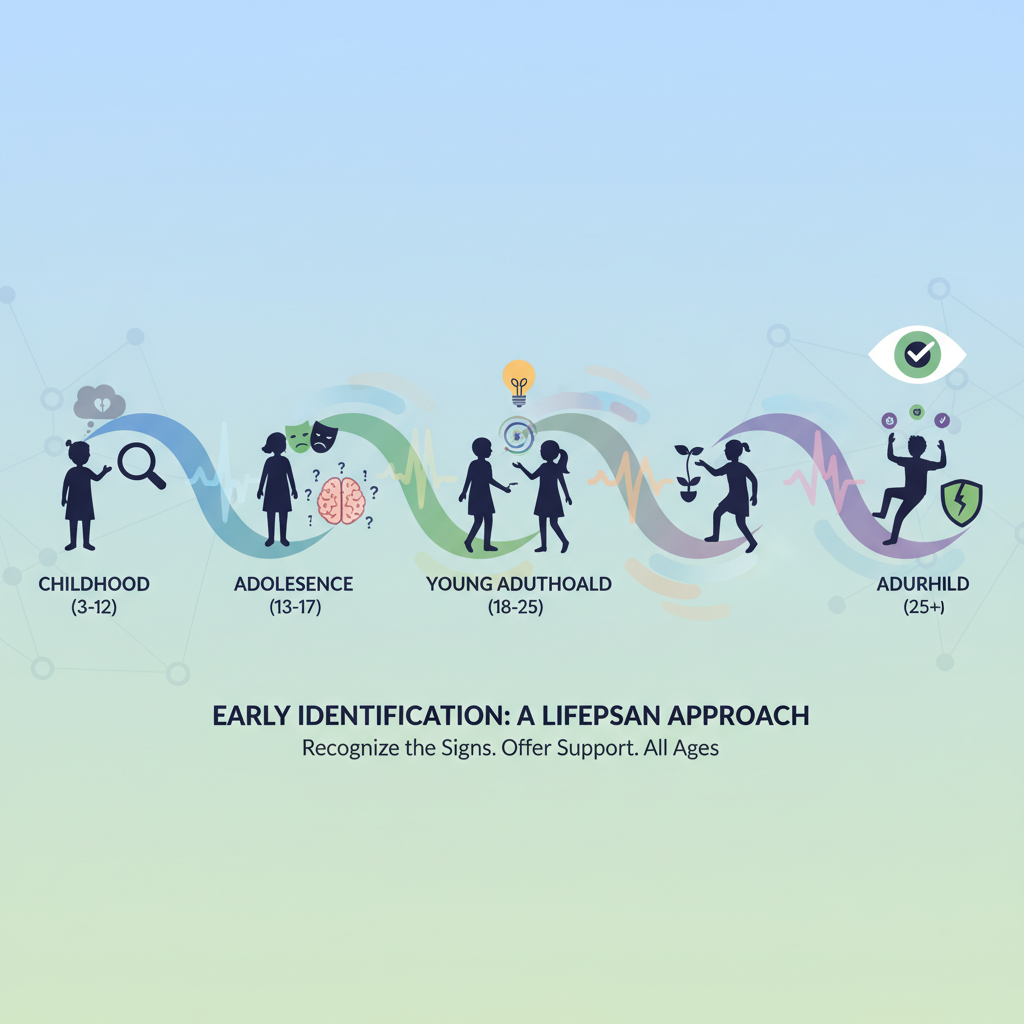
Comparing mood symptoms by age
The table below summarizes some broad trends in how mood disorder warning signs may differ by age. These are general patterns, not strict rules, and individual experiences can vary widely.
| Age group | More common early signs | Key concerns |
|---|---|---|
| Young children | Irritability, tantrums, new physical complaints, withdrawal from play | Intense, persistent moodiness and behavioral changes that disrupt school or home life |
| Preteens / early teens | Sleep and appetite changes, low energy, withdrawal, increased sensitivity | Lasting change in personality or interests, school decline, repeated physical complaints |
| Teens | Irritability, isolation, drop in grades, substance use, self-harm, suicidal thoughts | Differentiating normal moodiness from depression, addressing safety concerns quickly |
| Young adults | Loss of interest, academic or work failure, social withdrawal, substance misuse | Emerging serious mood or psychotic disorders, loss of structure and support systems |
| Adults | Persistent sadness or emptiness, anhedonia, sleep and appetite change, cognitive issues | Work and relationship problems, untreated depression or bipolar disorder, suicide risk |
For a deeper dive into these developmental patterns, you can explore mental health development stages explained and identifying mental illness across age groups.
Risk factors families should know about
Anyone can develop a mood disorder, but some factors increase risk at any age.
Family history and genetics
Adolescents with a parent who has a mood disorder have more than a 50% chance of developing a mood disorder themselves [9]. A strong family history does not mean your child will definitely develop a condition, but it does mean you should pay closer attention to emotional and behavioral changes and seek help early if concerns arise.
Coexisting conditions and anxiety
Anxiety disorders often appear before or alongside mood disorders, particularly in younger people [3]. Signs of significant anxiety, especially when combined with changes in sleep, appetite, or mood, should prompt you to watch symptoms more closely. Resources on how anxiety shows up differently in teens can be especially useful.
Impulse control disorders such as ADHD, oppositional defiant disorder, and conduct disorder also often start in childhood or adolescence, with median ages of onset between 7 and 21 [2]. Severe irritability or acting out can mask or overlap with underlying mood problems, so a comprehensive evaluation is important.
When to seek professional help
It can feel intimidating to decide when to move from “watchful waiting” to actively seeking an evaluation. A few guiding questions can help.
You should consider a professional assessment if you notice:
- Symptoms lasting most days for at least two weeks, or on and off for a month or more
- A clear and sustained change from the person’s usual behavior or personality
- Significant impact on school, work, friendships, or family life
- Expressions of hopelessness, worthlessness, or feeling like a burden
- Any talk of wanting to die, disappear, or harm themselves
Children’s Hospital of Philadelphia and Cincinnati Children’s both emphasize that early recognition and intervention can reduce the severity of mood disorders, support normal development, and improve quality of life [7].
If you are comparing what you see in a teen and an adult in your life, it may help to read more about mental health symptoms in adults vs adolescents and emotional dysregulation in teens vs adults. These resources can deepen your understanding of how symptoms may shift as someone ages.
How you can support a loved one at any age
While only a qualified professional can diagnose a mood disorder, you play a critical role in noticing changes, starting conversations, and supporting treatment.
You can:
- Trust your observations when you see persistent changes in mood, behavior, or functioning
- Ask open, nonjudgmental questions about how your child or loved one is feeling
- Take any mention of suicidal thinking seriously and respond right away
- Help schedule and attend evaluations with pediatricians, primary care providers, or mental health specialists
- Stay involved with treatment plans and encourage consistent follow through
The research is clear that many people live with mood symptoms for years before seeking help [2]. By learning the warning signs of mood disorders by age, you put yourself in a better position to shorten that delay. You do not have to know exactly what is wrong to reach out for support. Starting early and asking questions is often the most important step.