Why age matters for mental health symptoms
When you are trying to understand how age impacts mental health symptoms in your loved ones, it can be hard to know what is “normal” development and what might be a warning sign. A behavior that looks typical in a 15‑year‑old might be concerning in a 35‑year‑old, and the same diagnosis can show up very differently across the lifespan.
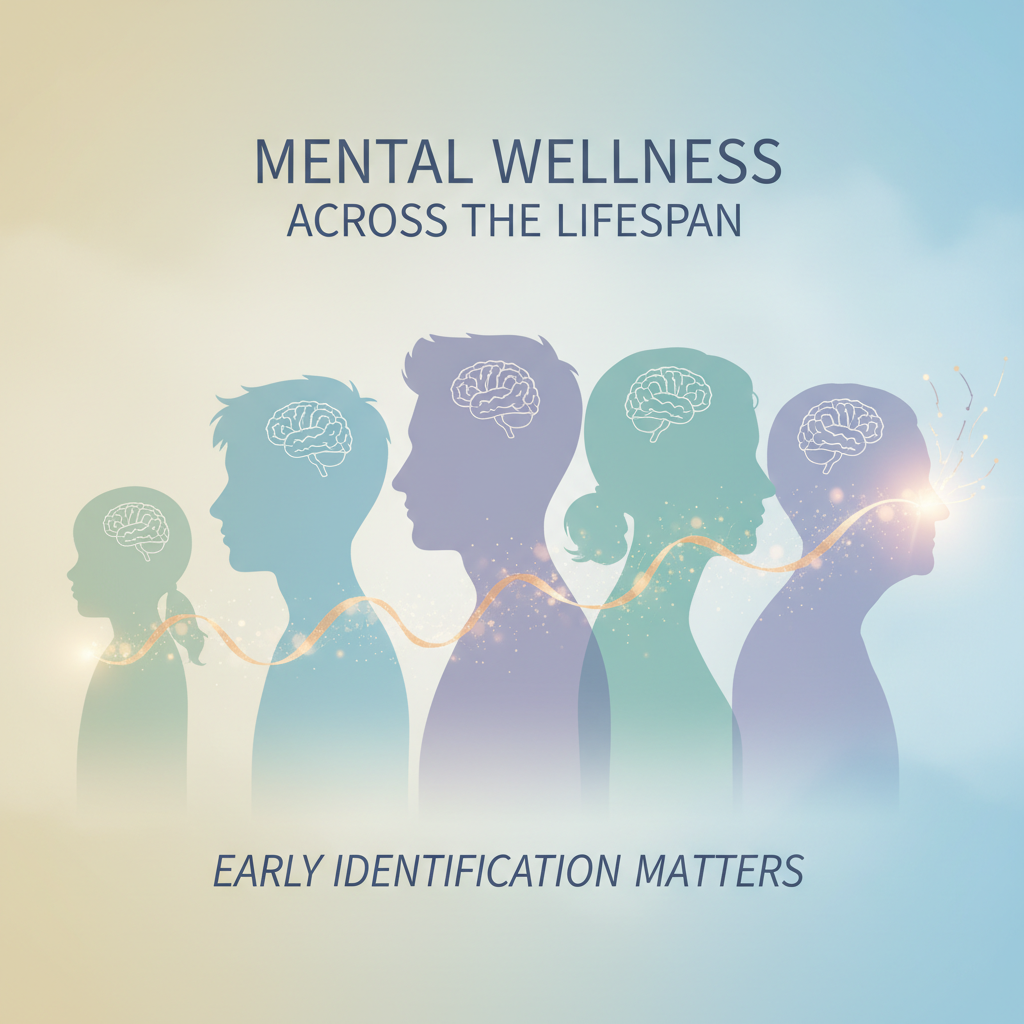
Research shows that nearly half of all mental disorders begin before age 18, and about two thirds begin before age 25, with a global peak age at onset around 14 to 15 years old [1]. That means paying close attention to symptoms in childhood, adolescence, and young adulthood is critical.
At the same time, older adults also experience significant mental health concerns. Approximately 14.1% of adults aged 70 and over are living with a mental disorder, mostly depression and anxiety [2]. Understanding how symptoms shift with age helps you respond sooner, more confidently, and with more compassion.
If you want a deeper dive into age-based symptom patterns, you can also explore resources such as mental health symptoms in adults vs adolescents, warning signs of mood disorders by age, and mental health development stages explained.
Typical mental health development by age
You interpret symptoms more accurately when you understand what usually happens, developmentally, at each life stage. Mental health challenges often emerge in predictable windows.
Studies of more than 700,000 people show a clear pattern across the lifespan [1]:
- Many neurodevelopmental conditions, including ADHD and autism spectrum disorder, typically appear in childhood.
- Anxiety disorders often start in late childhood and adolescence.
- Eating disorders and obsessive compulsive disorder tend to emerge in late adolescence and young adulthood.
- Substance use disorders, personality disorders, and schizophrenia are more likely to begin in early to mid‑adulthood.
- Some mood and trauma related disorders, such as depression, PTSD, and bipolar disorder, can appear throughout adulthood, sometimes first emerging in the 30s or beyond.
Understanding these windows supports earlier recognition. For example, if you notice new obsessive rituals in a 19‑year‑old, you may think differently than if you saw the same behavior appear suddenly in a 60‑year‑old.
You can find more on how symptoms shift over time in how symptoms evolve from teen to adult and identifying mental illness across age groups.
Emotional symptoms: Teens vs adults vs older adults
Emotional expressions often change with age. The same underlying anxiety or depression can look different in a 14‑year‑old, a 30‑year‑old, and a 75‑year‑old.
How younger people tend to show emotions
Children and teens usually have less practice regulating intense feelings. Emotional swings, irritability, and big reactions can be part of normal development, but they can also be early signs of a mental health condition.
You might see:
- Strong, fast mood shifts, especially in response to social situations
- Irritability or anger instead of sadness
- Dramatic reactions to perceived rejection, criticism, or setbacks
- Meltdowns that seem out of proportion to the situation
Younger people today also tend to have greater mental health literacy. They are more likely to know the language of anxiety, depression, or trauma and may describe themselves and their peers this way more readily [3]. That can be helpful, but it can also make it confusing to sort out what is normal stress and what is a deeper concern.
If you are trying to understand your teenager’s emotional world, it may help to review emotional dysregulation in teens vs adults and recognizing emotional distress in teens.
How adults tend to show emotions
By adulthood, most people have learned social rules about “acceptable” emotions. Instead of obvious outbursts, you may see more contained or indirect signs of emotional distress, such as:
- Persistent low mood that shows up as burnout, emptiness, or loss of interest
- Irritability and frequent frustration rather than visible sadness or fear
- Emotional numbing, going through the motions without pleasure
- Guilt or shame that is kept private but influences behavior
Men in particular may be more likely to describe feeling “stressed” or “tense” rather than openly naming anxiety or sadness, and this pattern appears to persist into later life [4].
If you are unsure whether what you see is typical adult stress or something more, you can review adult mental health warning signs and signs of serious mental illness in adults.
How older adults tend to show emotions
For older adults, emotional symptoms can be subtle and are often mistaken for “just aging.” Research has found that older adults with depression report more anhedonia, which is an inability to feel pleasure, rather than intense sadness, even though reported sadness levels are similar to younger adults [4].
You might notice:
- Loss of interest in long‑standing hobbies or social groups
- Flat or reduced emotional expression
- Describing themselves as “tired,” “worn out,” or “done,” rather than “depressed”
- Irritability or withdrawal after major life changes, such as bereavement or illness
Social isolation and loneliness, which affect about a quarter of older adults, are major risk factors for depression and anxiety in later life [2]. When withdrawal and loss of joy persist, they deserve careful attention.
Behavioral changes across age groups
Behavior is often the first thing you notice, especially in children and teens who may not have the words for what they feel. Understanding common age patterns helps you decide when to seek help.
Teens and young adults
During adolescence and early adulthood, you expect some experimentation, boundary testing, and emotional volatility. The key is intensity, duration, and impact on daily functioning.
You may see:
- Sudden shifts in sleep or eating
- Falling grades, missed assignments, or dropping out of activities
- New secrecy, lying, or breaking rules
- Self harm, risk taking, or substance use
- Withdrawal from family or once close friends
Because mental disorders often begin in these years, noticeable changes in behavior can signal that something more than typical development is going on [1]. You can learn more in behavioral changes in teenage mental health, early signs of mental illness in teenagers, and when teen behavior is more than normal.
For young adults, look for similar patterns related to college, work, or independence. Mental health red flags in young adults and early mental health symptoms in young adults can help you distinguish between life stress and emerging disorders.
Adults in midlife
Adults often have more responsibilities, such as careers, families, and finances. Behavioral changes can show up in these areas rather than in school or play.
Notice if you see:
- Declining work performance, frequent absences, or job loss
- Escalating substance use to cope with stress
- Emotional outbursts that are out of character
- Withdrawal from family routines or loss of interest in parenting or partnership roles
- Neglect of personal hygiene, home care, or finances
Because many adults feel pressure to “handle it on their own,” they may minimize or hide symptoms. You may need to look below the surface and gently ask about what you see.
Older adults
In later life, behavioral changes can be misattributed to aging, grief, or physical illness, which often leads to missed diagnoses. Yet persistent shifts in behavior often reflect treatable mental health conditions.
Common warning signs include:
- Stopping social activities or clubs that once mattered
- Avoiding leaving the home, especially after a fall or medical event
- New fear of enclosed spaces like lifts or small rooms, which is reported more often by older adults with anxiety disorders [4]
- Changes in daily routines, such as neglecting medications, meals, or hygiene
- Increased dependence on caregivers despite stable physical health
Abuse, financial stress, bereavement, and ageism significantly raise mental health risks in older adults [2]. If behavior deteriorates after these experiences and does not improve, it is important to consider mental health treatment, not just “time.”
Cognitive symptoms and thinking patterns
How someone thinks, remembers, and interprets situations can shift with both age and mental health status. These cognitive changes can be subtle but are often key clues.
Teens and young adults
Younger brains are still developing, especially parts involved in planning, impulse control, and long‑term thinking. That can make some cognitive symptoms of mental illness blend into “typical” teen behavior.
You might notice:
- All or nothing thinking, such as “If I fail this test, my life is over”
- Intense preoccupation with social standing, peers, or appearance
- Difficulty concentrating in class or on tasks, which may reflect anxiety, depression, ADHD, or normal distraction
- Ruminating on perceived failures or social mistakes
Because many anxiety disorders and mood disorders peak in adolescence and early adulthood, it is worth paying attention when concentration problems, indecision, or catastrophic thinking begin to interfere with school, work, or relationships [1]. You can explore specifics in how anxiety shows up differently in teens and depression symptoms in teens vs adults.
Adults
By adulthood, you usually see more stable thinking patterns. Cognitive symptoms of mental health conditions often show up as:
- Persistent negative self talk that sounds realistic but is very harsh
- Difficulty making decisions or planning ahead
- Memory and focus problems related to stress, anxiety, or depression
- Rigid beliefs, such as “There is no point in getting help, nothing will change”
Substance use, chronic stress, and sleep problems can intensify these issues. When cognitive changes clearly interfere with daily functioning, it is important to rule out both mental health and medical causes.
Older adults
For older adults, you need to consider mental health, physical health, and possible neurocognitive disorders like dementia. Mental health conditions can mimic or worsen cognitive decline.
Older adults with anxiety and mood disorders may report:
- Trouble concentrating or “thinking clearly”
- Memory lapses that get worse when they feel stressed or tense
- Slowed thinking, taking longer to respond or make decisions
- Preoccupation with health, safety, finances, or loss
At the same time, many older adults describe anxiety with language like “stress” and “tension,” rather than “worry” or “fear,” which can mask how severe it feels [4]. If you see cognitive changes along with emotional or behavioral signs, a thorough evaluation is important.
How specific conditions show up at different ages
Different mental health conditions follow different age at onset patterns, and symptoms can shift shape as someone moves from adolescence into adulthood and older age.
Anxiety disorders
Anxiety disorders often start early. There is a peak age at onset around 5.5 years for some anxiety conditions, with a median age around 17 years [1].
You may notice:
- In children and teens: school refusal, separation fears, physical complaints like headaches and stomachaches, strong fear of social situations.
- In younger adults: performance anxiety at school or work, panic attacks, fear of judgment, and avoidance of social or occupational situations.
- In older adults: more limited social fears, with less distress overall, but greater fear of specific situations like lifts or small spaces [4].
Men and women can both experience anxiety, although males may develop some substance use and mood disorders slightly earlier, on average, than females [1].
To better understand age‑specific anxiety patterns, you can review how anxiety shows up differently in teens and teen mental health vs adult mental health differences.
Depression and mood disorders
Depression and other mood disorders often appear later than some anxiety and neurodevelopmental disorders. Some eating disorders and mood disorders tend to emerge in late adolescence and early adulthood, while other mood conditions, including some forms of depression and bipolar disorder, can first appear in the 30s or beyond [1].
You might see:
- In teens: irritability, social withdrawal, falling grades, complaints of boredom, and changes in sleep or appetite.
- In adults: persistent low mood, hopelessness, loss of interest in work or relationships, and fatigue.
- In older adults: pronounced loss of pleasure, withdrawal, and unexplained physical complaints, with less emphasis on verbal sadness [4].
Older adults also face unique triggers, such as bereavement, serious medical illness, income reduction, and experiences of ageism or abuse, all of which significantly increase the risk of depression and anxiety [5]. If low mood and withdrawal persist beyond a reasonable grief or adjustment period, it may be more than “normal aging.”
You can compare age specific patterns in depression symptoms in teens vs adults and difference between teen and adult mental health symptoms.
Quick guide: If a mood or anxiety symptom is present most days for several weeks, interferes with school, work, or relationships, or leads to thoughts of self harm or suicide at any age, it is time to seek professional support.
Generational attitudes and help‑seeking
How age impacts mental health symptoms is not just about biology and brain development. Generational beliefs and social context influence whether someone recognizes symptoms, talks about them, and seeks help.
Younger generations
Younger generations, including many teens and young adults, often have higher mental health literacy. Studies show they are better at recognizing symptoms and knowing where to seek help [3]. They grew up with more open conversations about anxiety, depression, eating disorders, and suicide, and in general tend to be more accepting of people with mental illness.
At the same time, increased internet use makes it easier to access information and online support. This can encourage self‑education and help‑seeking, but can also lead to self diagnosis, reliance on peers, or avoidance of professional evaluation [3].
Older generations
Older generations, particularly some members of Generation X and Baby Boomers, may have grown up in cultures where mental illness was taboo. Mental health concerns were often treated as personal weakness or something that could be “switched off” with willpower or faith, which contributes to ongoing stigma and avoidance of therapy [3].
Older adults may:
- Describe symptoms in physical terms, such as pain, fatigue, or tension
- Avoid using labels like “anxiety” or “depression”
- Worry about burdening family or being judged
- Rely more on informal support and less on professional care
Yet mental health conditions account for nearly 7% of years lived with disability among people aged 70 and older, and about 16.6% of all global suicide deaths are in this age group [2]. Recognizing symptoms and encouraging treatment can be life saving.
Researchers also emphasize the importance of including older adults in clinical trials so that therapies and medications are better tailored to their needs [6].
When to be concerned and what to do
It is normal to wonder whether you are overreacting when you notice changes in someone you love. Instead of focusing only on age, consider four key questions:
- How long has this been going on?
- How intense are the symptoms?
- How much do they interfere with daily life?
- Are you seeing multiple changes happen at once?
If a symptom persists for weeks, keeps growing, or disrupts school, work, health, or relationships, it deserves attention at any age. Sudden, severe changes or any talk of self harm require urgent help.
To move from concern to action, you can:
- Start a calm, nonjudgmental conversation about what you have noticed.
- Schedule a visit with a primary care provider, pediatrician, or geriatric specialist and share specific examples of behavior, mood, or cognitive changes.
- Ask for a referral to a mental health professional who has experience with the person’s age group.
- Learn more about age specific patterns using resources like how to recognize mental health issues in teens, adult mental health warning signs, and identifying mental illness across age groups.
Effective treatments are available for children, adolescents, adults, and older adults, including therapies and medications tailored to age and health status [6]. Mental health care is not limited to any one stage of life.
Bringing it all together
Understanding how age impacts mental health symptoms helps you see patterns more clearly. Teens may show distress through behavior and big emotions, adults may hide symptoms behind work and family roles, and older adults may quietly withdraw or talk more about physical complaints than feelings.
Your role is not to diagnose. Your role is to notice, to listen, and to take your concerns seriously enough to seek qualified help. By paying attention to changes in emotions, behavior, and thinking at every age, you give your loved ones the best chance for early support, accurate diagnosis, and effective treatment.
If you want to keep learning, you can explore:
- teen mental health vs adult mental health differences
- how age impacts mental health symptoms through detailed comparisons of specific conditions
The more you understand these age based differences, the more confidently you can support the people you care about.