
Understand OCD in teens
When you first discover that your teen may be dealing with obsessive-compulsive disorder, it is natural to feel overwhelmed. You might wonder if there truly is an effective path for “ocd treatment teens,” particularly one that addresses your child’s unique challenges and long-term needs. While the journey can be complex, you do not have to tackle it alone. Obsessive-compulsive disorder (OCD) is a recognized mental health condition that affects adolescents in meaningful ways, leading them to experience recurrent unwanted thoughts (obsessions) and engage in repetitive actions (compulsions).
OCD in teens often stems from a combination of genetic, biological, and environmental factors. According to the International OCD Foundation, the lifetime prevalence of OCD in both pediatric and adult populations is estimated at 1 to 3%. You may notice your teen repeatedly checking their door locks or constantly asking for reassurance about specific fears. These rituals, while aimed at alleviating anxiety, can disrupt daily life. By seeking timely intervention, teens can learn coping mechanisms and gradually regain control over their thoughts and actions.
One of the best ways to help an adolescent in this situation is to create a supportive environment that fosters hope and empowerment. At BrightPath Program, we believe your teen has the capacity to navigate OCD with the right tools and professional guidance. Our philosophy centers on delivering comprehensive care and individualized plans that address both immediate concerns and future well-being. By gaining a deeper understanding of OCD, you can play a crucial role in your loved one’s recovery process.
Recognize signs and symptoms
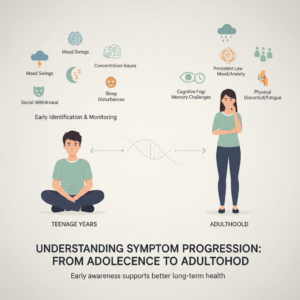
Recognizing the subtleties of OCD in your teen is the first step. Although adults and teens often share similar symptoms, adolescents may express them differently due to their stage of development and social pressures. For instance, one teen might struggle with intrusive worries about contamination, prompting frequent handwashing. Another may be fixated on completing tasks in a precise order, experiencing distress if there is any deviation.
Obsessions to watch for
- Fear of contamination or germs
- Obsessive doubts about personal responsibilities or moral conduct
- Fear of committing embarrassing mistakes
- Excessive need for symmetry or exactness
- Unwanted thoughts involving harm to themselves or others
Common compulsions
- Excessive handwashing, showering, or cleaning
- Constant checking of doors, appliances, or homework completeness
- Repetitive counting or arranging objects
- Rewriting or rereading tasks multiple times
- Seeking constant reassurance from friends, family, or teachers
These persistent behaviors often arise because your teen’s brain is searching for transient relief from anxiety. However, the relief is usually short-lived, causing a repetitive cycle that interferes with everyday life. Understanding these signs and symptoms helps you communicate more effectively with your teen, letting them know you recognize their struggle and are ready to seek help on their behalf.
Explore modern treatment options
You likely want to know what treatment approaches hold the most promise for your teen. Today, research indicates various strategies can help adolescents build resilience and dramatically reduce the severity of their symptoms. Two central approaches are often cited: psychotherapy and medication. Depending on the teen’s specific challenges, either or both may be recommended.
One influential study by the Pediatric OCD Treatment Study (POTS) group found that approximately one in five children achieve remission of OCD symptoms on medication alone, while over half achieve remission when medication is combined with cognitive behavior therapy (IOCDF). This demonstrates the substantial impact that comprehensive, evidence-based approaches can have on a teen’s progress. Furthermore, the Mayo Clinic notes that for some individuals, long-term care remains necessary, but symptom control is possible even in chronic scenarios.
From partial hospitalization to intensive outpatient programs, the goal is to find a structured approach that matches your teen’s lifestyle and symptom severity. BrightPath Program offers multiple levels of care designed around the principle that no two individuals follow the exact same path. We encourage you to explore which level of support best suits your teen’s needs so they can gain the support necessary for lasting recovery.
Focus on therapy techniques
Therapy forms the cornerstone of most successful OCD treatment plans for teens. Specifically, Cognitive Behavioral Therapy (CBT) is recognized as one of the most effective modalities. CBT helps teens identify their triggers—those intrusive thoughts that set off anxiety—and dismantle or restructure disruptive thought patterns.
Cognitive behavioral therapy
CBT concentrates on the connection between a teen’s thoughts, emotions, and behaviors. By guiding your adolescent to examine and challenge negative beliefs, therapy can replace detrimental thought processes with more adaptive perspectives. Moreover, outcomes tend to be longer-lasting when CBT techniques are applied consistently over time.
Exposure and response prevention
A specialized adaptation of CBT called Exposure and Response Prevention (ERP) has shown remarkable results in teens. Through ERP, your teen is carefully exposed to feared situations or thoughts in small, manageable steps. The therapist then helps them learn not to respond with their usual compulsion. Over time, your teen gains confidence and adapts to triggers without feeling compelled to perform rituals.
This framework can be life-changing for teens seeking freedom from repetitive compulsions. Although the initial exposures can be daunting, the process ultimately reduces OCD’s power. By the end of treatment, your teen often realizes that facing fears head-on actually diminishes the anxiety and doesn’t bring about the dire consequences they once envisioned.
Group therapy and support
In addition to individual sessions, participation in support groups can help teens share experiences and coping strategies. The International OCD Foundation (IOCDF) promotes teens-only groups like the Teen GOALS support group that provides reliable guidance for exposure or ritual reduction. These group settings can double as a safe space to practice newly acquired skills, build friendships, and keep motivation high. Support groups are not typically a replacement for professional therapy, but they can supplement it, adding emotional camaraderie.
Consider medication strategies
While therapy is vital, medication can also be a major component of an effective plan, especially when OCD symptoms are moderate to severe or hamper day-to-day functioning. Serotonin reuptake inhibitors (SRIs) are often the first line of pharmaceutical treatment. These medications help regulate chemical imbalances in the brain, potentially alleviating the intensity of obsessive thoughts and compulsive behaviors.
Antidepressants like fluoxetine (Prozac), fluvoxamine (Luvox), and sertraline (Zoloft) are commonly prescribed for teens managing persistent OCD symptoms. According to the IOCDF, children and adolescents often metabolize medications quickly, meaning an adult-sized dose may sometimes be required. However, every teen is unique, and the best dosage is determined on an individual basis by a prescribing physician.
Although medication itself will not cure OCD, it can significantly reduce symptoms, making it easier for your teen to engage in ERP therapy and develop healthier thought patterns. For some young people, the right combination of therapy and medication not only stabilizes immediate symptoms but also sets the stage for long-term management.
Provide holistic support
Beyond therapy and medication, there are many complementary approaches that can help your teen better manage their OCD. A focus on overall wellness—such as proper nutrition, exercise, and stress management—can anchor your child’s progress. Research in recent years has highlighted the potential influence of vitamin and trace elements on the severity of OCD symptoms. For example, deficiencies in vitamin D, vitamin B12, and selenium have been linked to worsened OCD symptoms in certain populations (PubMed Central). While more research is needed, encouraging a balanced diet and routine health check-ups ensures any deficiencies or underlying conditions are properly addressed.
In addition, lifestyle practices like mindfulness or yoga can help calm anxious thoughts and provide a healthy outlet for stress. Engaging the whole family in supportive measures has also proven beneficial. If your teen sees that you are attentive, patient, and willing to make small adjustments at home, they are more likely to feel motivated and supported. In fact, some clinics and programs offer a family coaching group program to help integrate meaningful routines into everyday life. By nurturing your teen’s emotional well-being, social support network, and physical health, you broaden the scope of their healing efforts.
Choose BrightPath Program
Deciding where to pursue professional care for your teen is a major choice. At BrightPath Program, we believe in creating individualized plans that revolve around supportive environments, tailored treatment programs, and comprehensive care. Our approach respects the unique challenges teens face, and we design every phase of care with empathy and expertise.
One key element in OCD treatment is offering multiple levels of care, so teens can access more or less intensive support at different stages of recovery. If you and your teen determine that an immersive residential program is appropriate, we provide the structured environment necessary for lasting recovery. Our staff are skilled in combining evidence-based therapies, medication monitoring, and lifestyle coaching in one cohesive program.
For some families, a partial hospitalization program or an intensive outpatient program offers the right balance of therapeutic intensity and free time to practice learned skills in the home environment. These structured but flexible programs ensure continuity of care while preserving a sense of normalcy. Depending on your teen’s situation, an even more flexible option such as a virtual intensive outpatient program may be worth exploring. Meanwhile, our transitional independent living program can help teens gradually ease into independence once they have stabilized.
By choosing BrightPath Program, you provide your teen the chance to engage with mental health professionals who genuinely understand the intricacies of OCD. They will gain hands-on guidance for managing obsessions, resisting compulsions, and building self-confidence. Our emphasis on a supportive environment and comprehensive care has empowered many adolescents to reclaim their daily lives.
Ensure effective aftercare
Teens with OCD often benefit from ongoing support, even after completing an intensive treatment plan. Continuous care or an aftercare mental health program can be essential to preventing relapse. This might involve periodic check-ins, group therapy, medication monitoring, or access to remote mental health teleconferences. The Mayo Clinic notes that certain individuals require long-term or more intensive treatment, especially if symptoms persist.
Ongoing family involvement
A supportive network of family members, peers, and medical professionals creates a strong safety net. Family coaching or a parent coaching group can be invaluable in developing essential communication tools. The goal is to recognize when your teen is struggling, reinforce their progress, and strategize solutions if obstacles emerge.
Transition back to routine
Returning to daily routines—school, hobbies, and social activities—can be both exciting and challenging. By embedding newly learned coping mechanisms in their day-to-day life, your teen can maintain momentum. Consistent follow-up sessions, or even a day programming mental health format, helps them transfer therapeutic insights into their social and academic world. Over time, this consistent reinforcement contributes to lasting behavioral changes.
Address co-occurring conditions
Many teens managing OCD also endure additional mental health concerns, such as depression, anxiety disorders, or even substance use challenges. At BrightPath Program, we recognize the importance of co occurring disorders treatment. When a teen’s anxiety is intertwined with OCD behaviors, or if an underlying mood disorder is fueling the compulsions, treating only the surface-level symptoms isn’t sufficient. Identifying co-occurring conditions proactively can lead to better overall outcomes and a more holistic approach to healing.
Substance use considerations
For some teens, substances might become a maladaptive coping mechanism for OCD-related stress. If you suspect risky substance use patterns, or if your teen is grappling with drug misuse, specialized drug addiction treatment could be necessary alongside OCD therapy. This integrated method corrects both the root of the compulsions and the triggers that push teens toward unhealthy coping habits.
Other mental health concerns
If your teen displays additional signs of mood regulation issues, or struggles with panic attacks or mania, they may also need specialized attention. Programs like bipolar disorder treatment or anxiety disorder treatment can complement OCD-focused therapy. Similarly, if intense anger, self-criticism, or impulsive behavior frequently accompanies obsessions, it might indicate a need for borderline personality disorder treatment in the future. The overarching goal remains to create a safe and empowering space in which all components of your teen’s mental health can be addressed.
Plan for long-term success
When it comes to OCD treatment for your teen, short-term progress is encouraging, but sustainable change is the ultimate goal. BrightPath Program revolves around building a foundation that your teen can stand on for years to come. By helping your child develop the resilience to face stressors head-on, we strive to reduce the threat of relapse and encourage greater emotional independence in the long run.
Maintaining learned strategies
Teens who complete therapy often acquire valuable techniques like ERP exercises, mindful breathing, and disorder-specific coping strategies. Re-visiting these regularly allows them to stay prepared for times when OCD flares up. Encourage your teen to set reminders for practicing ERP exercises or checking in with a counselor. Let them know that even if they have a setback, it doesn’t erase their progress, but offers a chance to re-apply the skills they have learned.
Measuring progress
Tracking improvement over time can be a motivating factor. Work with your teen to establish benchmarks, such as how many exposures they can handle per week or the number of triggers they can discuss without intense anxiety. Therapy journals often prove helpful, letting them spot patterns and watch their progress evolve. Whenever they face difficulties, you can refer to earlier successes, boosting their confidence in their coping abilities.
Involving school and peers
OCD can interfere with academic responsibilities and peer relationships. If your teen suffers from obsessions during exams, or if fear of contamination impacts social activities, working with school counselors may help them gain accommodations or additional support. Encouraging healthy peer connections fosters camaraderie, ensuring your teen does not feel isolated by their struggles.
FAQs about teen OCD
- How common is teen OCD?
Estimates suggest that between 1% and 3% of children and adolescents experience OCD, although the level of severity can vary significantly. Some teens display mild symptoms that do not drastically interfere with daily life, while others deal with compulsions so frequent that they disrupt school, relationships, and routines. Early recognition and professional assessment are crucial in any scenario to prevent escalation and ensure prompt treatment. - What should I expect from therapy?
OCD therapy for teens typically combines Cognitive Behavioral Therapy (CBT) with Exposure and Response Prevention (ERP). In CBT, your teen learns to identify, challenge, and modify harmful thoughts. ERP then goes further by systematically exposing them to anxiety triggers, guiding them to resist compulsive actions. This process can be uncomfortable at first, but it fosters resilience and reduces obsessive fears over time. Therapists may also encourage activities like mindful breathing and journaling to manage stress. - Will my teen need medication forever?
Not every teen with OCD requires medication, and “forever” is rarely a given. Medications like SRIs, which affect serotonin levels, help many teens get their symptoms under control. Often, as therapy progresses and your teen masters adaptive coping strategies, the need for medication can be reassessed. Always consult a qualified medical professional, as dosage or medication type can be carefully adjusted based on your teen’s progress and any side effects. - How do I support my teen at home?
Consistency and compassion are key. You can create a structured routine that provides stability. Encourage them to communicate openly, whether they feel anxious, proud, or frustrated. Reinforce their efforts by celebrating small victories, like successfully practicing ERP or completing daily tasks without resorting to compulsions. If necessary, consider getting family members involved in a family coaching group program, so everyone understands how best to contribute to a calm and empathetic household. - Why choose BrightPath Program for teen OCD treatment?
BrightPath Program tailors its services to the nuanced challenges faced by teenagers with OCD. Our range of treatment settings, from residential care to outpatient mental health treatment, can adapt to your teen’s evolving needs. By combining evidence-based therapies, medication management (when needed), and holistic approaches, we address both immediate and underlying factors. Moreover, our compassionate team focuses on building a supportive environment that boosts self-esteem and fosters growth, setting the stage for lifelong success.
Finding the right strategy for your teen’s OCD involves patience, empathy, and a willingness to explore multiple therapeutic pathways. By partnering with a specialized program, you offer your teen a strong chance of gaining renewed confidence in their ability to navigate life without being controlled by obsessions or compulsions. BrightPath Program stands ready to provide the tailored treatment programs, comprehensive care, and individualized plans necessary for lasting recovery. Through incremental progress, professional guidance, and unwavering family support, your teen can move forward with optimism, strength, and hope.