
Why teen mental health is easier to miss than you think
When you are trying to figure out how to recognize mental health issues in teens, it can be hard to know where normal teenage turbulence ends and something more serious begins. Hormones, identity shifts, peer pressure, and school stress all shape what “typical” looks like in adolescence. That same rapid change can also hide emerging anxiety, depression, or other conditions.
Mental health symptoms often show up differently in teens than they do in adults. Behaviors that look like defiance, laziness, or moodiness can actually be early signs of a mental health disorder. Learning what to watch for helps you respond sooner, which can make treatment more effective and protect your teen’s long‑term health.
If you want a broader overview of developmental changes, it may help to read about mental health development stages explained first.
Normal teen behavior vs warning signs
Some shifts in behavior are part of healthy development. Others are red flags that your teen might be struggling with something more serious. The context, intensity, and duration of the change matter.
Wanting to spend more time with friends and less with family is usually normal. Avoiding everyone, including friends, and consistently choosing isolation is more concerning and can signal emerging mental health issues in teens [1].
Similarly, many teens dislike getting up early for school. Refusing to attend entirely, especially if it starts suddenly or comes with clear distress, may suggest anxiety, depression, or bullying and should not be brushed off [1].
If you are unsure where your teen’s behavior fits, you may find it useful to explore when teen behavior is more than normal and behavioral changes in teenage mental health.
How teen symptoms differ from adults
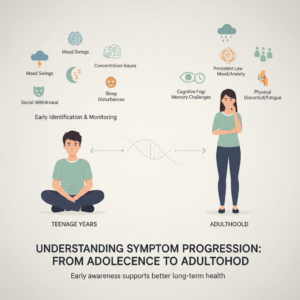
You might already be familiar with common adult mental health warning signs. Teens experience many of the same conditions, but the symptoms often look different. This is one reason parents and caregivers can miss early signs.
Compared with adults, teen symptoms are more likely to:
- Show up as behavior changes instead of explicit complaints like “I feel depressed”
- Fluctuate quickly because of developmental brain changes and social stress
- Be dismissed as “typical teenage attitude” by adults in their lives
For example, an adult with depression might describe feeling hopeless and unable to work. A teen with depression might primarily show irritability, social withdrawal, slipping grades, or “not caring” about activities, which can be misinterpreted as laziness or rebellion. These differences are explored in more detail in depression symptoms in teens vs adults.
You can learn more about broad age differences in teen mental health vs adult mental health differences and how age impacts mental health symptoms.
Emotional signs you might overlook
Emotional changes are often the earliest clue that something is wrong, but they can be subtle or easy to mislabel as “just hormones.” When you are learning how to recognize mental health issues in teens, pay close attention to shifts in mood and emotional expression over time.
Persistent sadness or low mood that does not ease after a few days to a couple of weeks is a warning sign, especially if there is no clear trigger or the mood does not improve once the trigger has passed [1].
Teens living with anxiety might seem constantly on edge, unusually fearful, or easily overwhelmed by normal situations. Warning signs include ongoing nervousness, restlessness, and avoiding social or school activities because of worry [2]. Depression can look like prolonged sadness, losing interest in once‑enjoyed activities, changes in sleep, and withdrawing from friends and family [2].
Rapid and unexpected mood changes, increased irritability, and emotional outbursts that are more intense or frequent than your teen’s usual patterns can also point to underlying emotional disorders in adolescence [3]. These patterns are different from temporary frustration about a bad grade or a fight with a friend.
If you would like a focused guide on reading these cues, see recognizing emotional distress in teens and emotional dysregulation in teens vs adults.
Behavioral changes that signal trouble
Behavior is often where teen mental health issues become visible first. The question is not whether they are behaving differently, but how different the behavior is from their baseline, how long it has been happening, and whether it is interfering with daily life.
You might notice your teen spending significantly more time alone, snapping when you ask about their day, or losing interest in hobbies and activities that used to matter to them. Combined with a noticeable drop in academic performance, these changes can indicate more than typical teenage ups and downs [2].
Other behavioral warning signs include:
- Refusing school or activities they previously attended
- Increased conflict at home, including frequent anger outbursts
- New secrecy about where they are or who they spend time with
- Uncharacteristic rule‑breaking or lying
Behavioral disorders such as ADHD or conduct disorder can show up as difficulty paying attention, excessive activity, impulsive behavior, and destructive or challenging actions. These are relatively common in adolescents and can seriously affect school and relationships if left untreated [3].
For a deeper dive into these patterns, you can review behavioral changes in teenage mental health and identifying mental illness across age groups.
Physical and daily‑life clues
Mental health concerns in teens often show up in the body and daily routines. Because sleep, appetite, and energy naturally change during puberty, it is particularly easy to miss early warning signs here.
Teens typically need more sleep than adults, but sudden, extreme shifts like sleeping unusually long most days, or being unable to sleep at all, can signal an underlying issue. Likewise, a normal growth spurt can increase appetite. Rapid weight changes because of a clear loss of appetite or overeating, however, may be a sign of depression, anxiety, or an eating disorder [1].
Common emotional disorders in adolescence include anxiety and depression, which can bring physical complaints such as headaches, stomachaches, chest pain, or dizziness, sometimes without a clear medical cause [3]. According to the American College of Obstetricians and Gynecologists (ACOG), anxiety disorders in adolescents frequently appear as excessive worry, social avoidance, panic attacks, and physical symptoms that disrupt school and daily life [4].
Unhealthy eating patterns, including strict dieting, binge eating, or purging behaviors, are also red flags. Eating disorders like anorexia nervosa and bulimia nervosa often emerge in adolescence and are associated with a preoccupation with body weight and shape, alongside depression and anxiety [3].
These early physical and routine changes are discussed further in early signs of mental illness in teenagers.
Risky behaviors and substance use
Experimentation can be part of adolescence, but it is important to distinguish between occasional minor risk‑taking and behaviors that point to deeper distress. Many teens will test limits, yet extremely risky or delinquent activities are not typical and should be taken seriously.
Severe disregard for family rules or laws, deliberate self‑harm, or harming animals are considered abnormal behaviors that require prompt professional attention. These go far beyond usual boundary testing and can be signs of significant mental health problems or trauma [1].
Substance use is another area of concern. While some teens experiment with drugs or alcohol, repeated use to cope with feelings, changes in friend groups related to substance use, and declining functioning at school or home may signal a substance use disorder [2]. Substance use often appears alongside other conditions like depression or anxiety.
If you want to understand how these behaviors evolve later in life, you can compare them with mental health red flags in young adults and signs of serious mental illness in adults.
Self‑harm, suicidal thoughts, and urgent red flags
Some signs of teen mental health issues require immediate action. These are situations where you should not wait to see if things improve on their own.
Persistent or intense changes in behavior, mood, or functioning, such as withdrawing from friends and family, large shifts in sleep or appetite, increased irritability, significant academic decline, loss of motivation, expressions of hopelessness, risky behavior, substance use, and any talk about self‑harm or suicide, may indicate serious underlying concerns like anxiety, depression, or trauma [5].
Nonsuicidal self‑injury, including cutting, burning, or scratching, is reported in a sizable portion of high school students, with higher rates in girls. Unexplained wounds, scars, or frequent use of long sleeves to hide the body should prompt a mental health evaluation, since self‑injury is often linked with anxiety, mood disorders, and trauma histories [4].
Risk factors for adolescent suicide include emotional disorders, harmful alcohol use, past abuse, stigma around seeking help, and barriers to care. Early signs like self‑harm and social isolation are crucial opportunities for prevention [3]. Warning signs of suicidal risk also include declining school performance, chronic sadness, family conflict, struggles with sexual orientation or gender identity, a history of drug misuse, and direct or indirect expressions of suicidal thoughts, which call for immediate mental health referral and safety planning [4].
If your teen talks about self‑harm or suicide, every mention should be taken seriously. Teens who share these thoughts are showing openness to help, and adults are encouraged not to minimize or ignore what they hear out of fear [6]. If you believe your teen is in immediate danger, contact emergency services, such as 988, 911, or local crisis hotlines, to reach trained crisis counselors and local resources [7].
Practical ways to start the conversation
Knowing how to recognize mental health issues in teens is only half the challenge. The next step is talking with your teen in a way that invites honesty rather than shutdown. Teens often respond with “I am fine” even when they are not, which is why small, repeated conversations tend to work better than one big talk [6].
Choose a time when your teen does not seem rushed or stressed, such as when you are driving together or doing chores side by side. Mental Health America recommends observing changes in their willingness to engage and then starting a conversation without pressure or a strict agenda [8]. You might say what you have noticed, using concrete examples, then ask open‑ended questions.
For example: “I have noticed you have been spending more time alone and your grades have dropped. What has that been like for you?” Sharing observations instead of labels reduces defensiveness and signals genuine concern [6]. Some families find it helpful to use a simple 1 to 10 scale and ask, “On a scale from 1 to 10, how have you been feeling lately?” Lower numbers can signal a stronger need for support or professional help [6].
When your teen opens up, focus on listening more than fixing. Mental Health America suggests avoiding quick solutions or judgments, which can shut down future disclosure. Instead, reflect back what you hear, validate their feelings, and ask how you can support them [8].
If a young person talks to you about mental health but has not told their parents, it can help to gently explore why, offer to support them in starting that conversation, and guide them toward professional help if needed [8].
When to seek professional help
Many parents wonder when it is time to move from “watchful waiting” to getting outside support. A useful guideline is to look at how long symptoms have been present, whether they are getting worse, and whether they interfere with your teen’s daily functioning.
Common signs that warrant professional evaluation include noticeable changes from your teen’s typical behavior, mood, or functioning that last more than a couple of weeks, intensify over time, or significantly disrupt school, home, or social life [9]. Examples include:
- Ongoing withdrawal from friends and family
- Significant sleep or appetite changes
- Increased irritability, anger, or emotional volatility
- Drop in academic performance or loss of motivation
- Substance use or risky behavior
- Talking about feeling hopeless, worthless, or wanting to disappear
According to Mental Health America, recognizing that mental health is as important as physical health, and not dismissing concerning changes, is key. Parents are encouraged to trust their instincts, talk with teachers or other caregivers who may have noticed shifts at school, and seek help rather than waiting for things to resolve on their own [10].
Free, anonymous mental health screenings for young people are available at MHAScreening.org and can help identify signs of emotional, behavioral, or cognitive disorders. These tools can also give you language and data to bring to your child’s primary care provider when you discuss next steps [11].
If the situation is not an emergency, you can consider outpatient therapy, school counseling, or youth programs that specialize in adolescent mental health. North Central Health Care and University of Utah Health both emphasize the value of trauma‑informed, youth‑focused services that build resilience and provide tailored support for teens and their families [9].
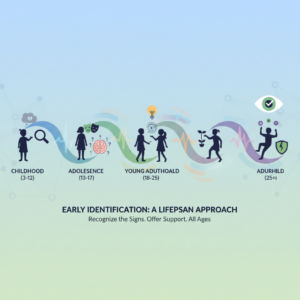
For more context on how symptoms progress, you can explore how symptoms evolve from teen to adult and difference between teen and adult mental health symptoms.
Why early recognition matters
Globally, an estimated one in seven adolescents between 10 and 19 lives with a mental health condition, and many of these conditions go unrecognized and untreated [3]. In the United States, at least one in five youth aged 9 to 17 has a diagnosable mental health disorder that causes some level of impairment, and one in ten has a disorder that leads to significant impairment [4].
Early recognition gives you and your teen more options. It can:
- Prevent symptoms from becoming more severe
- Reduce the risk of substance use, self‑harm, and suicide
- Support better school performance and social development
- Build coping skills your teen will use into adulthood
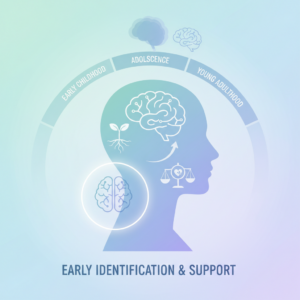
Recognizing and addressing mental health concerns now also reduces the chance that symptoms silently carry into adult life. This connection is outlined in mental health symptoms in adults vs adolescents and early mental health symptoms in young adults.
Paying attention to small, persistent changes in your teen’s mood, behavior, and daily habits is one of the most powerful ways you can protect their mental health.
If you notice multiple warning signs, trust what you are seeing. Start gentle conversations, reach out to trusted professionals, and use screening tools and resources to guide your next steps. With early support, most teens can learn to manage their mental health challenges and move into adulthood with greater resilience and hope.
References
- (Georgetown Behavioral Health Institute)
- (Alter Behavioral Health)
- (WHO)
- (ACOG)
- (North Central Health Care)
- (The Jed Foundation)
- (Mental Health America, North Central Health Care, University of Utah Health)
- (Mental Health America)
- (North Central Health Care, University of Utah Health)
- (Mental Health America, University of Utah Health)
- (Mental Health America)