Why mental health development stages matter
When you look at your child, teen, or even yourself and think, “Is this just a phase or something more serious?”, you are really asking about mental health development stages. Having mental health development stages explained in practical terms helps you sort out what is typical for an age or life stage and what might be an early warning sign.
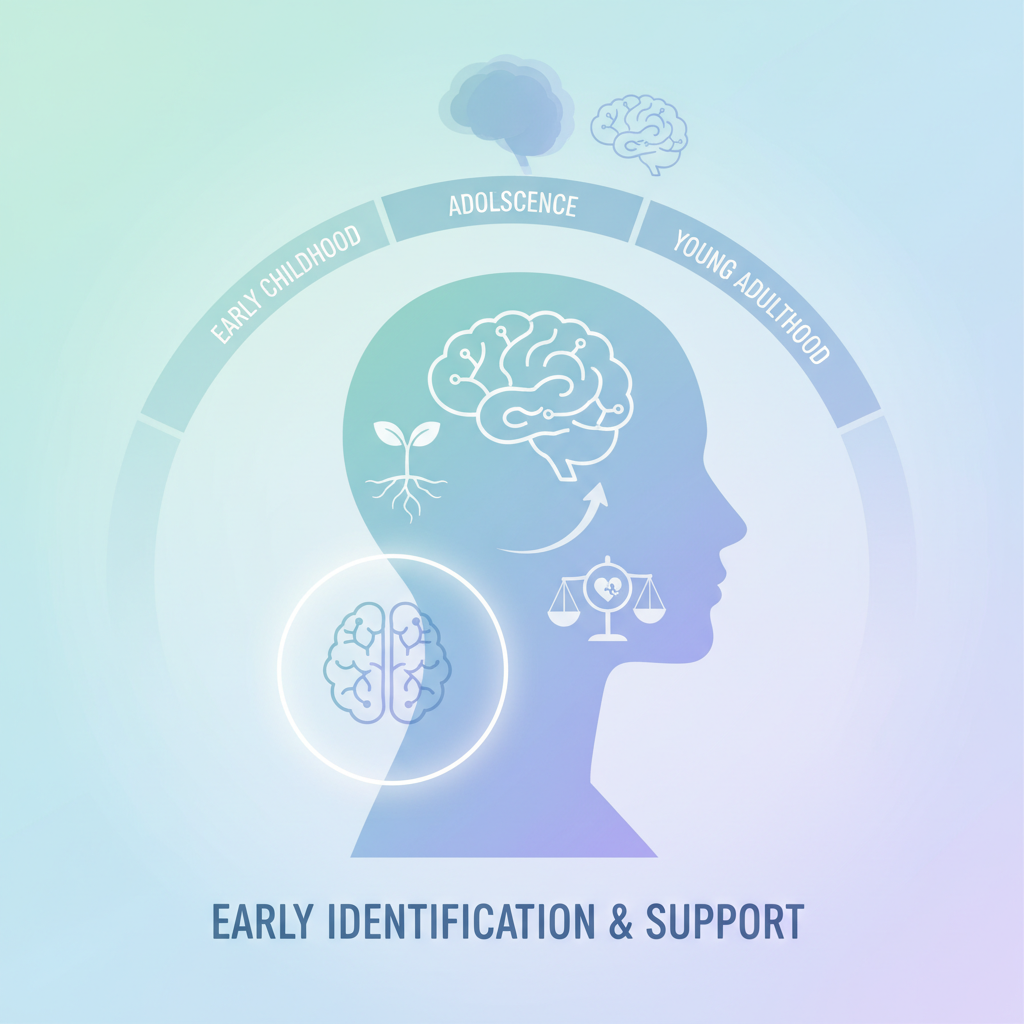
Mental, emotional, and behavioral development starts before birth and continues into your mid‑20s, shaped by biology, family, school, peers, and broader social conditions [1]. Most diagnosable adult mental health conditions begin with symptoms that first appear in childhood, adolescence, or young adulthood, often in subtle ways that can be easy to miss.
Understanding these stages does not replace professional assessment. Instead, it gives you a clearer lens so you can recognize patterns sooner, ask better questions, and seek help before problems become crises.
How clinicians think about stages of mental health
You may hear professionals talk about “stages” in two different but related ways: stages of mental health development and stages of mental illness progression. Both are useful when you are trying to decide what is typical and what is not.
Stages of development vs stages of illness
Developmental stages focus on how emotional and behavioral skills normally unfold from infancy through adulthood. For example, it is typical for a toddler to have tantrums and for a teenager to push for independence. These stages reflect brain maturation and social learning.
Stages of illness describe how mental health conditions usually emerge and progress over time. One widely used framework outlines four broad stages, from early warning signs to severe, persistent illness [2].
You can have a completely typical developmental stage, like early adolescence, and still be in Stage 1 of a mood or anxiety condition. Or you can have intense but age‑appropriate behaviors that look alarming but are not signs of a disorder. The challenge is untangling these overlapping layers, especially when you compare teen and adult symptoms.
The four clinical stages of mental health problems
Having mental health development stages explained often starts with this four‑stage model that many clinicians use in practice.
Stage 1: Early warning signs
Stage 1 involves mild symptoms and subtle warning signs. You, your child, or your teen may still be able to function at school, work, and home, but it feels harder than before. There is often a vague sense that something is “off” or “not right” [2].
Common features include:
- Heightened emotional sensitivity, like crying easily at commercials or songs
- Irritability or “short fuse” that is new or more frequent
- Noticeable but mild changes in sleep, appetite, or energy
- Pulling back slightly from friends or activities, while still participating
- Difficulty concentrating that is more than usual for that person
During Stage 1, symptoms can escalate quickly if they are ignored. This is one of the most important windows for early intervention, especially when you are watching for early signs of mental illness in teenagers or subtle changes in a young adult.
Stage 2: Clear interference with daily life
Stage 2 means symptoms are more frequent, more intense, and now clearly getting in the way of normal functioning. Work, school, family responsibilities, or social relationships start to suffer in obvious ways [2].
You might see:
- A drop in grades or work performance
- Noticeable withdrawal from family and friends
- Shutdown behavior, such as staying in bed most of the day
- New or escalating conflicts at home, work, or school
- More visible outbursts, angry episodes, or tearful breakdowns
At this point, most people know something is wrong. Short temper, isolation, and repeated “I just cannot deal” moments are common. Many families first seek medical or mental health help at Stage 2, hoping to prevent progression to more severe stages.
Stages 3 and 4: Persistent and severe illness
Stage 3 usually involves recurring episodes of significant symptoms that may meet full diagnostic criteria for a condition like major depression, bipolar disorder, or an anxiety disorder. Functioning can vary over time, with periods of relative stability and periods of major impairment.
Stage 4 is characterized by severe, persistent symptoms that seriously limit day‑to‑day functioning. There may be repeated hospitalizations, self harm, or inability to work, study, or maintain relationships without intensive support.
At these later stages, specialized treatment is essential. The goal of early identification is to intervene in Stages 1 and 2 whenever possible, in both teens and adults, so fewer people reach Stages 3 and 4.
Age‑based mental health development: What changes when
Brain and emotional development unfold in recognizable phases. Knowing what typically happens at each age helps you understand how age impacts mental health symptoms and why the same condition can look very different in a teen than in an adult.
Early childhood: Before birth to age 4
Mental and emotional development starts in the womb. Good mental health and cognitive development in children aged 0 to 4 are shaped by complex genetic and environmental factors, including prenatal health, caregiving quality, and exposure to stress [3].
Key features of this stage:
- Rapid brain growth, especially from birth to age 3
- Heavy reliance on caregivers to regulate emotions and stress
- Learning basic trust and safety through predictable care and routines
Children in this age range cannot explain their feelings clearly. Emotional and behavioral concerns often show up through sleep problems, feeding issues, excessive clinginess, or intense tantrums.
Middle childhood: Ages 5 to 10
From 5 to 10, school becomes the major influence on mental health, second only to family [3]. Children are expected to manage more complex social rules, handle academic demands, and build peer relationships.
You typically see:
- Growing ability to talk about feelings and conflicts
- Strong need for peer acceptance, but still heavy family influence
- Emerging self‑esteem based on school, sports, or hobbies
Difficulties can show up as behavior problems in class, frequent stomachaches or headaches with no clear medical cause, or refusal to go to school. At this age, anxiety, attention, and behavior challenges may be early signs of later mental health issues if they persist and interfere with daily life.
Adolescence: Ages 11 to 15
Adolescence is a period of major neurodevelopmental change. Even though physical health is usually good, this is also the peak period for developing mental health problems [3].
Key shifts include:
- Intensified emotions, driven by hormonal and brain changes
- Stronger pull toward peer approval and identity exploration
- Increased risk taking and sensitivity to reward and rejection
Because the brain regions involved in emotion and impulse control are still maturing, mood swings and dramatic reactions are common. The challenge is distinguishing typical adolescent turbulence from warning signs that point to something more serious, which is where resources like when teen behavior is more than normal become helpful.
Late adolescence and young adulthood: Ages 16 to 25
By 16 to 25, many young people are moving toward independence, working, dating, and sometimes living away from home. This stage is critical because about 75% of adults with a diagnosable mental health problem have experienced their first symptoms by age 24 [3].
If early symptoms in adolescence are not treated, common conditions are more likely to persist into young adult years [3]. That is why early mental health symptoms in young adults deserve just as much attention as signs you see in teens.
Young adults may:
- Mask distress with work, substances, or social media
- Struggle with motivation, direction, or a sense of purpose
- Experience more adult‑like symptoms of depression, anxiety, or mood disorders, but often still minimize them
This overlap between late adolescent development and early adult responsibilities is central to teen mental health vs adult mental health differences.
The impact of childhood trauma on development
Trauma during key developmental windows can reshape mental health trajectories. Adverse childhood experiences, often called ACEs, such as abuse, neglect, or household dysfunction, affect about 20.5% of children in the United States and are linked to higher risks of depression, substance use, risky behaviors, and disrupted neurodevelopment in adulthood [1].
Trauma affects different ages in different ways [4]:
- Ages 0 to 6: more nonverbal reactions like emotional outbursts, poor verbal skills, and memory problems
- Older children and teens: physical complaints, lack of trust, learning problems, or risk taking
On a physiological level, trauma can disrupt the stress response system, including the HPA axis and fight or flight responses, at a time when the brain is especially plastic [4]. That disruption can heighten vulnerability to later anxiety, depression, or posttraumatic stress.
The presence of resilient factors such as supportive adults and access to mental health professionals can soften these long term effects and improve coping outcomes [4]. This is one reason stable, caring relationships in childhood are considered non negotiable for healthy mental health development.
Stable, predictable relationships with caring adults are among the strongest protective factors against mental health problems later in life.
Protective factors that shape mental health outcomes
The KiGGS longitudinal study in Germany followed more than 3,500 young people and found that mental health problems in childhood or adolescence are associated with poorer general mental health, lower life satisfaction, and reduced quality of life in young adulthood [5]. However, it also showed that certain protective factors make a real difference.
These protective factors include:
- Personal resources, such as self esteem and coping skills
- Family cohesion, such as emotional closeness and consistent support
- Social support from peers, teachers, and community members
Children and adolescents who had these protections were less likely to experience severe negative outcomes, even if they had internalizing problems like anxiety or externalizing problems like aggression [5].
Healthy development is especially influenced by:
- Safe, stable, nurturing family relationships, including predictable routines, shared meals, and dedicated playtime, which build trust and self esteem [6]
- Open communication from infancy onward, such as narrating your actions, responding to babbling, and later asking open ended questions, which helps children process emotions and stay connected to you [6]
- Emotion coaching, meaning you acknowledge, name, and validate feelings and share calming strategies like deep breathing or muscle relaxation [6]
These same protective factors continue to matter into adolescence and young adulthood as peers become more influential and stressors change.
Teen mental health vs adult mental health: What looks different
The same condition will not always look the same in a 15‑year‑old and a 35‑year‑old. That is why focusing on mental health symptoms in adults vs adolescents is so important if you are trying to understand your family’s patterns.
Emotional differences
Teens typically show their emotions more on the surface. Surges of anger, hurt, excitement, or shame can appear suddenly and feel overwhelming. Emotional regulation skills are still under construction, which contributes to the patterns described in emotional dysregulation in teens vs adults.
Adults often feel just as intensely, but they have more practice masking or redirecting emotions. Instead of visible outbursts, you might see:
- Flat or “numb” affect
- Sarcasm or defensiveness
- Quiet withdrawal and emotional distance
When you compare how anxiety shows up differently in teens and adults, for example, teens may look panicky, overwhelmed, or intensely worried about peers, while adults might appear restless, overly perfectionistic, or constantly on edge without clear panic episodes.
Behavioral differences
Behavior is often the biggest clue in teenagers. Signs described in behavioral changes in teenage mental health may include:
- Sudden changes in friend groups or social withdrawal
- Irritable or oppositional behavior that is a sharp break from baseline
- Risk taking that seems out of character or excessive
- School refusal or dramatic decline in engagement
Adults are more likely to show their distress through changes in work performance, parenting, or self care. Adult mental health warning signs often involve:
- Chronic fatigue or burnout feelings
- Dropping responsibilities or avoiding previously manageable tasks
- Increased alcohol or substance use to “take the edge off”
- Relationship conflicts that keep repeating without resolution
In short, teens often communicate distress through behavior, while adults may communicate it through withdrawal, work patterns, or coping strategies like substance use.
Cognitive and thinking differences
Adolescent thinking is in transition. It can swing between very concrete and very “big picture.” Rumination about identity, fairness, or peer judgment is common. Problems in this area may look like:
- “All or nothing” thinking about friendships or school
- Intense self criticism or catastrophizing
- Difficulty shifting attention away from social media comparisons
In adults, cognitive symptoms can involve chronic worry, hopelessness, or decision paralysis. These patterns are part of how depression symptoms in teens vs adults differ.
Understanding how these differences play out over time is central to recognizing the difference between teen and adult mental health symptoms.
Typical vs concerning: Key red flags by stage
Because development and illness stages overlap, it helps to have a quick reference that combines age, typical patterns, and red flags.
| Age / Stage | Typical patterns | Concerning red flags |
|---|---|---|
| Early childhood (0–6) | Tantrums, separation anxiety, strong attachment to caregivers | Persistent nonverbal trauma signs, such as extreme emotional outbursts, poor verbal skills, or memory problems that disrupt daily functioning [4] |
| Middle childhood (5–10) | Worries about school, friendships, occasional clinginess | Ongoing school refusal, repeated physical complaints without clear cause, or aggressive behavior that strains family and school relationships |
| Early adolescence (11–15) | Moodiness, more privacy, experimenting with identity | Rapid, dramatic personality change, self harm talk or behaviors, or intense withdrawal as highlighted in recognizing emotional distress in teens |
| Late adolescence (16–18) | Push for independence, future planning, shifting peer groups | Substance use as coping, major drop in grades, or withdrawal described in how to recognize mental health issues in teens |
| Young adulthood (18–25) | Exploring work, study, relationships, some instability | Ongoing functional decline, social isolation, or other mental health red flags in young adults |
| Adulthood (25+) | Stable roles with normal ups and downs | Persistent symptoms that match signs of serious mental illness in adults, such as hallucinations, delusions, or severe mood episodes |
If you are unsure whether what you are seeing is age related or not, looking at identifying mental illness across age groups can give additional clarity.
How symptoms evolve from teen to adult years
Conditions rarely appear out of nowhere in adulthood. They usually evolve from subtle patterns in adolescence and young adulthood. The KiGGS data show that internalizing problems like anxiety and peer difficulties in youth are linked to poorer mental health, more depressive and eating disorder symptoms, and lower life satisfaction in young adulthood [5].
Externalizing problems such as hyperactivity and aggression are associated with lower educational attainment, higher smoking rates, and more risky sexual behavior later on [5].
In practice, this means:
- A teen who is chronically anxious, socially isolated, and perfectionistic may become an adult who is highly functional at work but privately struggles with severe anxiety or depression.
- A teen who has frequent fights, breaks rules, or uses substances may become an adult with relationship instability, legal problems, or substance use disorders.
You can learn more about specific trajectories in how symptoms evolve from teen to adult. The earlier you recognize a pattern, the more options you have to change its course.
What you can do at each stage
You cannot control biology or erase every stressor, but you can influence how you or your child moves through mental health development stages.
At any stage, these steps are helpful:
- Pay attention to patterns lasting more than a few weeks, especially if they affect school, work, or relationships.
- Trust your sense that “something is not right,” which is often accurate at Stage 1.
- Use age informed resources like how age impacts mental health symptoms and warning signs of mood disorders by age to guide your questions.
- Reach out to a pediatrician, primary care provider, or mental health professional when you notice clear interference with daily life.
When you understand mental health development stages explained through both age and illness progression, you are better equipped to support your teen, your young adult, or yourself. You do not need to wait for a crisis. Recognizing early shifts in emotions, behavior, and thinking creates an opportunity for earlier support, more effective treatment, and a better long term outcome.