Why teen vs adult mental health differences matter
When you are trying to sort out teen mental health vs adult mental health differences, it can be hard to know what is age‑appropriate and what is a warning sign. Hormones, stress, and life transitions can all look like moodiness on the surface. Yet half of all mental health disorders that occur in adulthood start by age 18, and most adolescent cases are never detected or treated in time [1].
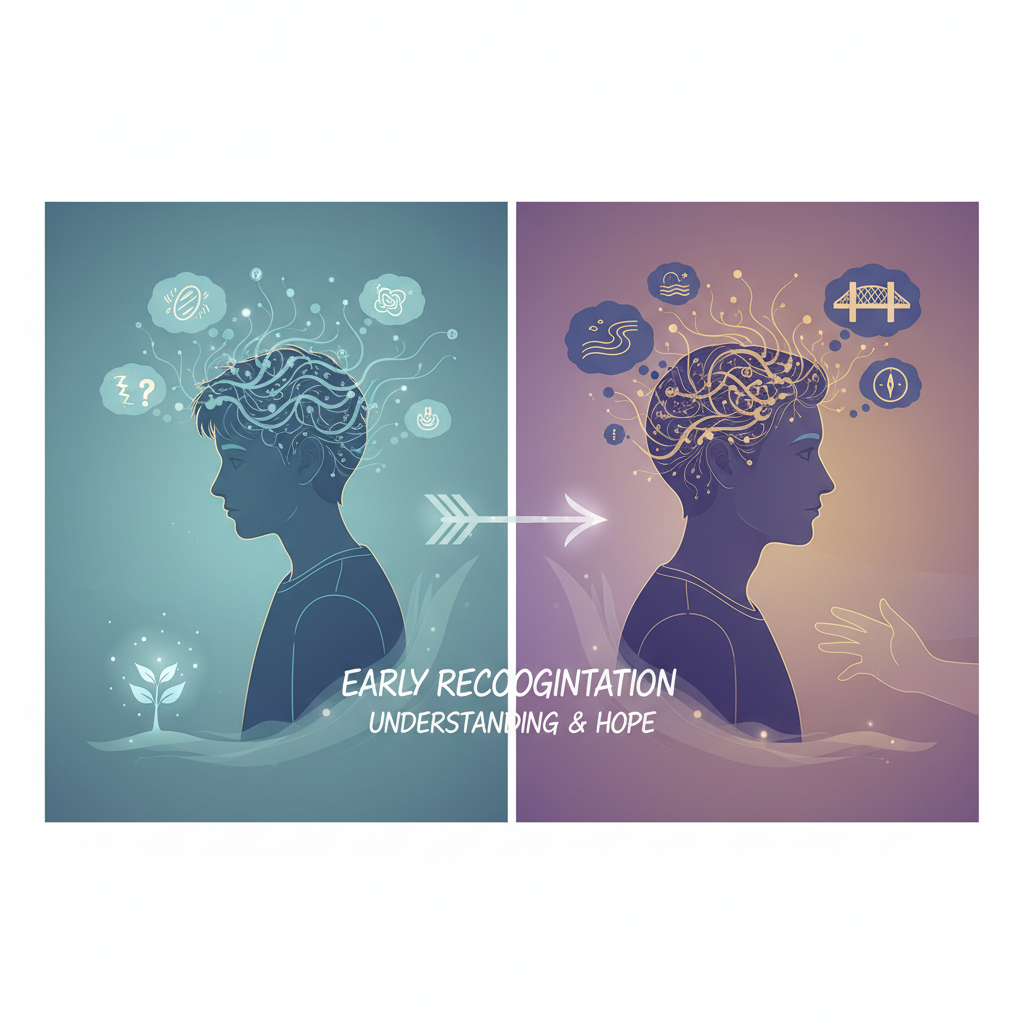
Understanding how symptoms look different in teens and adults gives you a clearer roadmap. You can better recognize early signs of mental illness in teenagers, notice subtle adult mental health warning signs, and make informed decisions about when to seek help.
In this guide, you will learn how emotions, behavior, and thinking change across age groups, what to watch for, and how to respond if you are concerned about yourself or someone you love.
How brain development shapes symptoms
You cannot understand teen mental health vs adult mental health differences without looking at brain development. Adolescence is a time of intense brain change that continues into the mid‑twenties.
Teen brain: still under construction
The prefrontal cortex, which helps with judgment, planning, and impulse control, is still maturing in teens and young adults. At the same time, the amygdala, which processes emotion and threat, is very active. This imbalance helps explain why teenagers often feel things more intensely and act more impulsively than adults [2].
Hormones are part of this picture. Fluctuations in estrogen, progesterone, and testosterone during puberty affect mood, emotions, and decision‑making from about age 7 into the early twenties [2]. These shifts can:
- Intensify emotional ups and downs
- Increase risk‑taking and impulsivity
- Make reactions to stress feel bigger and more immediate
That is one reason behavioral changes in teenage mental health can be so dramatic and can be confused with “just being a teen.”
Adult brain: more stable, different vulnerabilities
By adulthood, the prefrontal cortex is fully developed. Adults usually have:
- Better impulse control and planning
- More life experience and coping strategies
- A more stable hormonal environment
However, adults also often have long‑standing patterns of coping. Adults with mental health challenges may rely on unhealthy strategies, such as substance use or emotional shut‑down, that have built up over years or decades. These patterns can stunt emotional growth and make it harder to change without support [3].
Emotional signs: what feels different
Emotions are often the first thing you notice, but teen and adult feelings can look and sound different on the surface.
Teens: intense swings and visible distress
Teenagers frequently experience stronger emotions, mood swings, and spikes in impulsivity. Hormonal shifts and ongoing identity development mean that a bad day can feel catastrophic. At the same time, teens may not yet have the language or skills to describe what they are feeling.
Teen emotional distress might look like:
- Sudden tearfulness, outbursts, or shutting down
- Expressing hopelessness but dismissing it later as “being dramatic”
- Saying “no one understands” or “nothing matters”
- Huge reactions to peer issues, grades, or family limits
Hormonal imbalances in teens can also trigger irritability, sadness, and anxiety that resemble normal mood swings. That overlap makes it harder to tell when you are seeing ordinary development and when symptoms signal a deeper problem [2]. Resources on recognizing emotional distress in teens can help you sort through those gray areas.
Adults: quieter symptoms and emotional walls
Adults may feel just as distressed, but they tend to hide it better. Over time, many adults build emotional walls or rely on numbing strategies to get through the day. This can make serious symptoms look like “just being tired” or “stressed from work.”
Adult emotional changes may show up as:
- Chronic irritability or frustration, especially at home
- Emotional numbness, feeling “checked out” or detached
- Ongoing guilt, worthlessness, or shame
- A loss of joy in hobbies, relationships, or achievements
Adults are also more likely to label struggles as “burnout,” “midlife crisis,” or “just how life is now,” rather than considering depression, anxiety, or trauma. Guides on mental health red flags in young adults and signs of serious mental illness in adults can help you decide when to look more closely.
Behavioral changes: everyday actions that send signals
Behavior often shifts before someone can name what they feel. Changes in sleep, social patterns, and risk‑taking are common across ages, but the details differ between teens and adults.
Teens: school, peers, and risk
For teens, behavior is tightly tied to school, friends, and family rules. When mental health problems surface, they often show up in those areas.
You might notice:
- A sharp drop in grades or missing assignments
- Skipping school or activities that used to matter
- Pulling away from long‑time friends and joining new, more troubled peer groups
- Sleeping much more or much less than usual
- New defiance, lying, or secrecy around where they are and who they are with
Substance use is also a key concern. Because the adolescent brain is still developing, exposure to alcohol, tobacco, and drugs is more likely to cause long‑term cognitive, emotional, and social problems [1]. Low self‑esteem, intensified by peer pressure and hormonal changes, can make teens more vulnerable to substance use and risky behaviors [2].
Materials on how to recognize mental health issues in teens and when teen behavior is more than normal can help you weigh whether changes fit typical teenage experimentation or point to something deeper.
Adults: functioning, coping, and withdrawal
For adults, behavior changes often center on work, caregiving, and close relationships. Because adults usually have more control over their environment, they can hide struggles for quite a while.
You may see:
- Falling behind at work, missing deadlines, or frequent job changes
- Withdrawing from friends, partners, or children
- Increasing reliance on alcohol, prescriptions, or other substances to cope
- Avoiding responsibilities, bills, or basic self‑care
Adults might not appear obviously upset. Instead, they can seem “checked out,” chronically stressed, or difficult to be around. Learning more about adult mental health warning signs can give you a clearer sense of what to watch for.
Cognitive and thinking patterns across ages
Mental health conditions affect how you think, not just how you feel. The content is often similar across ages, but the focus changes with life stage.
Teens: self, peers, and school pressures
Teen thinking is often centered on identity, acceptance, and future possibilities. When mental health problems emerge, you might notice:
- Harsh self‑talk, such as “I am a failure” or “I am ugly”
- Fixation on social media comparisons
- Catastrophic thinking about grades, friendships, or appearance
- Racing thoughts or trouble concentrating in class
Because teen brains are still developing, concentration problems can be easily misread as “not trying” rather than potential anxiety, depression, or ADHD. Exploring how age impacts mental health symptoms can help you sort developmental issues from mental health concerns.
Adults: responsibilities, finances, and long‑term worries
Adults are more likely to worry about jobs, finances, caregiving, and long‑term security. Cognitive symptoms might include:
- Persistent worry about money, health, or job stability
- Trouble making decisions or solving problems
- Memory issues tied to stress, sleep loss, or depression
- Mental “overload” and difficulty focusing at work
Although the themes differ, restlessness, racing thoughts, difficulty sleeping, and poor concentration are common to both teen and adult anxiety [3]. You can learn more about how symptoms evolve from teen to adult to understand how the same condition can shift focus over time.
Anxiety in teens vs adults
Anxiety is one of the most common mental health issues across all ages, but it shows up differently depending on life stage and development.
How anxiety shows up in teens
In adolescence, anxiety often revolves around performance, peer acceptance, and appearance. You may see:
- Avoidance of school, tests, or presentations
- Physical complaints such as stomachaches or headaches with no clear medical cause
- Refusal to attend social events or sudden fear of leaving home
- Panic attacks tied to public embarrassment or social situations
Because anxiety symptoms overlap so much with typical teen nerves, you might dismiss them as personality traits. Resources that focus on how anxiety shows up differently in teens give more concrete examples to watch for.
How anxiety presents in adults
Adults frequently experience anxiety around job performance, finances, parenting, and health. Patterns can include:
- Constant “what if” thinking about worst‑case scenarios
- Chronic muscle tension or sleep problems
- Reliance on work, substances, or distractions to keep worry at bay
- Panic attacks triggered by crowded spaces, driving, or specific fears
Although the topics that trigger anxiety differ, restlessness, insomnia, and feeling on edge are common in both adult and teen anxiety [3]. Learning more about identifying mental illness across age groups can give you a broader context.
Depression in teens vs adults
Depression is also prevalent in both groups and is one of the leading causes of illness and disability among adolescents aged 10 to 19, with suicide a leading cause of death among people 15 to 19 [1]. Yet teen depression often looks different from the classic adult picture.
Teen depression: irritability and acting out
In teens, depression often shows up as:
- Irritability and anger more than obvious sadness
- Withdrawal from family with increased time alone in their room
- Falling grades or lost interest in school and activities
- Changes in eating and sleeping patterns
- Increased risk‑taking, self‑harm, or talk about death
Hormones and developing identity can intensify these reactions. Teen puberty hormones, especially estrogen in girls, can increase the risk of depression during this already stressful period [2]. A deeper dive into depression symptoms in teens vs adults can help you separate expected teenage ups and downs from more serious mood disorders.
Adult depression: depletion and disconnection
Adult depression tends to align more closely with classic symptoms:
- Persistent low mood or emptiness
- Loss of pleasure in activities that used to be enjoyable
- Fatigue and low energy that do not improve with rest
- Feelings of worthlessness or excessive guilt
- Thoughts of death, suicide, or feeling like a burden
Adults may keep functioning at work or in family roles while feeling completely drained inside. They might interpret these signs as “getting older” or “just burnout” instead of depression, which can delay seeking help.
Emotional dysregulation across the lifespan
Emotional dysregulation means difficulty managing emotions so that reactions feel bigger, more frequent, or more prolonged than the situation would suggest.
In teens, dysregulation is very common because brain and hormonal systems are still organizing. You might see fast mood swings, explosive arguments, or long periods of shutdown. Resources on emotional dysregulation in teens vs adults explain how much is typical and when to worry.
In adults, emotional dysregulation often points to underlying conditions such as trauma histories, personality disorders, or long‑term mood disorders. Outbursts or severe shutdowns can damage work, relationships, and parenting, even if the person appears stable at other times.
How risks and causes differ
The core conditions can be similar across ages, but the risk factors and triggers usually differ.
For teens, key risks include:
- Exposure to violence, bullying, or social exclusion
- Poverty or unstable living situations
- High academic or performance pressure
- Living in humanitarian or fragile settings [1]
For adults, common drivers include:
- Job insecurity or high work stress
- Financial strain and caregiving pressures
- Long‑standing relationship difficulties
- Chronic health problems
The underlying cause for a teen’s anxiety might be school bullying, while for an adult it may be job loss. Yet symptoms such as restlessness and insomnia can look almost identical [3].
Understanding these different risk profiles helps you ask more precise questions and tailor your support.
Early emotional or behavioral problems, whether internalizing (like anxiety and depression) or externalizing (like aggression and rule‑breaking), are linked to poorer mental health and life satisfaction in young adulthood. Protective factors such as family cohesion and social support can reduce these negative impacts [4].
When normal becomes concerning
Because adolescence is such a turbulent time, it is easy to overlook serious distress as “just a phase.” At the same time, adult symptoms are often minimized as everyday stress. Looking at patterns over time helps you decide when to act.
Warning signs in teens
You should take a closer look and consider professional support if you notice:
- Changes that last more than a few weeks and keep getting worse
- Loss of interest in almost all activities they used to enjoy
- Major shifts in sleep, appetite, or energy
- Talk of feeling worthless, trapped, or better off dead
- Self‑harm, substance use, or unsafe sexual behavior
Since teen issues are often misread as attitude problems, it helps to use structured guides such as how to recognize mental health issues in teens and early signs of mental illness in teenagers.
Warning signs in adults and young adults
For adults and young adults, pay attention when you see:
- Noticeable decline in work or school functioning
- Persistent isolation or withdrawal from loved ones
- Escalating alcohol, drug, or medication use
- Chronic anger, hopelessness, or numbness
- Suicidal thoughts, plans, or behaviors
If symptoms begin in late teens or early twenties, they may represent a shift from adolescent diagnoses into more complex adult conditions. Research following individuals from child and adolescent mental health services into adult services found that many psychiatric diagnoses change or become more complex in early adulthood, with increased comorbidity over time [5]. Resources on early mental health symptoms in young adults can help you track this transition.
How symptoms evolve from teen to adult years
Mental health is not fixed at age 18. Many conditions show both continuity and change as people move from adolescence into adulthood.
Studies tracking young people from their teens into their twenties have found:
- Some disorders, such as externalizing problems, anxiety, and bipolar disorder, show stability over time
- Others shift into different diagnoses, such as adolescent depression sometimes progressing to bipolar disorder in early adulthood
- Comorbidity, or having more than one diagnosis at the same time, tends to increase in adulthood [5]
This developmental pattern supports the idea that mental health needs regular reassessment as people age. Guides like mental health development stages explained and difference between teen and adult mental health symptoms can give you a framework for understanding these shifts.
Getting help: traditional and newer options
Both teens and adults benefit from professional support, and there is growing interest in different types of services.
A survey of adolescents and younger adults found that:
- Over 90 percent were willing to work with mental health professionals
- About one‑third had used mobile apps or online communities for mental health support recently
- Those with diagnosed conditions trusted online communities more than those without diagnoses
- Stigma still affected willingness to use certain resources, especially among Gen Z [6]
For teens, involving family and school supports alongside professional care can make a major difference. For adults, it may be important to address long‑standing coping patterns and life stressors at the same time as treating symptoms.
You can also use age‑specific guides such as warning signs of mood disorders by age and mental health symptoms in adults vs adolescents to prepare for conversations with providers.
Bringing it together: what you can do now
Understanding teen mental health vs adult mental health differences equips you to respond sooner and more effectively. You do not need to make a diagnosis. Your role is to notice patterns, take them seriously, and help connect yourself or your loved one with care.
You can:
- Watch for lasting changes in mood, behavior, and thinking rather than isolated incidents
- Consider whether symptoms fit the person’s age, environment, and stress level
- Use resources on how age impacts mental health symptoms and identifying mental illness across age groups to guide your observations
- Reach out to a primary care provider, school counselor, or mental health professional when you are unsure
If something feels “off,” you do not have to wait until things get worse. Early recognition and support can shift the entire trajectory from adolescence into adulthood, and it is never too late at any age to ask for help.