
Why teen behavior feels so confusing
Adolescence is a time of big changes. Mood swings, pulling away from family, and testing limits are often part of normal development. At the same time, you live in a moment when many teens are under serious stress and at higher risk for anxiety, depression, and other mental health conditions.
A key question for many parents and caregivers is when teen behavior is more than normal and when it is a sign that your child needs help. You are not expected to know this instinctively. Learning what is typical and what is concerning can guide you toward early support instead of waiting until a crisis.
Understanding these differences is especially important because mental health symptoms often look different in teens than in adults. A behavior that might be a clear red flag in an adult can be more subtle or masked in a teenager, and vice versa. As you learn what to look for, you can better recognize early signs of mental illness in teenagers and take action sooner.
What is “normal” teen behavior
Not every difficult moment means something is wrong. Some behaviors are common and expected as your teen becomes more independent and figures out their identity.
According to mental health experts, normal teen behavior can include:
- Wanting more privacy and alone time
- Preferring to spend more time with friends than family
- Having mood swings or being irritable at times
- Feeling frustrated, sad, or anxious in response to specific events
- Sleeping more or keeping an irregular sleep schedule
- Showing up-and-down motivation for school and activities
These shifts are part of the developmental tasks of adolescence, such as forming a sense of self and separating emotionally from parents [1]. You might notice your teen arguing more, challenging rules, or changing their interests quickly. As long as they can still manage daily life, maintain some relationships, and bounce back after setbacks, these patterns are often within the normal range.
It can help to think in terms of impact and duration. A few rough weeks after a breakup or a stressful exam period often resolve on their own. When behaviors get more intense, last longer than expected, or significantly affect your teen’s life, it is time to look more closely.
For a deeper comparison of what is typical in adolescence compared to later life, you can explore teen mental health vs adult mental health differences.
When typical teen stress becomes harmful
Stress is part of life, but many teens today experience it at levels that are higher than what they consider healthy. In a survey from the American Psychological Association, teens aged 13 to 17 reported stress that often exceeded their own view of what is manageable, with school as the top source of stress [2].
You might see stress showing up through:
- Irritability or anger
- Excessive worry
- Trouble falling or staying asleep
- Changes in eating habits, such as overeating or undereating
These symptoms can signal that your teen’s stress has moved beyond normal pressure into unhealthy territory [2].
In recent years, teen stress has expanded well beyond schoolwork. Many young people are worried about mass shootings, climate change, money, and social tensions. Major medical organizations have gone as far as to declare a national state of emergency in children’s mental health because of how widespread and intense these pressures have become [3].
You may also notice that your teen:
- Is overscheduled with academics, sports, and activities
- Gets far less sleep than the recommended 8 to 10 hours a night
- Feels pressure to perform nearly all the time
This mix of overscheduling, performance demands, and lack of sleep is strongly linked with higher loneliness, anxiety, and depression in adolescents and can interfere with healthy social development [3].
Stress is not just about how much your teen has to do, but how they are coping with it. When you see stress that is persistent, overwhelming, or beginning to change behavior in worrying ways, that is one clear sign that teen behavior is more than normal.
For more context on how emotional and physical stress responses change with age, you may find how age impacts mental health symptoms helpful.
Behavioral red flags that go beyond “normal”
Many mental health conditions in teens first show up as changes in behavior. These shifts can be easy to chalk up to attitude, laziness, or “just being a teenager,” which is why it is important to look for patterns, not isolated incidents.
Persistent changes in mood and energy
All teens have ups and downs. What you are watching for are mood and energy changes that are:
- Intense
- Very frequent
- Lasting several weeks or longer
- Out of proportion to what is happening in your teen’s life
Examples include:
- Extreme anger or irritability much of the time
- Sudden, drastic mood swings, such as jumping from elated to despairing within hours
- Prolonged sadness, feelings of worthlessness, or hopelessness lasting more than two weeks and interfering with daily life
These patterns may indicate anxiety, depression, bipolar disorder, or other serious mental health issues rather than ordinary moodiness [4].
Changes in energy can also be telling. Normal growth can lead to needing more sleep and a bigger appetite. In contrast, sudden and dramatic shifts like sleeping most of the day, severe insomnia, or quick weight changes due to appetite loss or overeating can be warning signs of underlying mental health concerns [5].
Social withdrawal and isolation
It is expected for teens to spend more time with friends and less with family. What is more concerning is when your teen seems to withdraw from almost everyone.
Red flags include:
- No longer wanting to spend time with friends or family
- Avoiding nearly all social activities, including ones they used to enjoy
- Isolating in their room most of the time and resisting contact
This level of isolation, especially if it is new for your teen, can indicate depression, anxiety, bullying, or other serious issues. Excessive withdrawal is linked to higher risk of suicidal thoughts and needs prompt attention [6].
If you want a broader framework for tracking these shifts over time, you can review behavioral changes in teenage mental health.
School refusal and academic decline
Disliking early mornings or complaining about school is common. What stands out as concerning is:
- A sudden, firm refusal to go to school
- Panic, intense distress, or physical complaints whenever school comes up
- A sharp and lasting drop in academic performance
For example, if an A student quickly becomes a D student, or a teen with no past academic issues starts failing multiple classes, it is important to ask what changed. These shifts can reflect anxiety, depression, bullying, learning difficulties, or substance use rather than a lack of effort [7].
Risky, aggressive, or self-destructive behavior
Some level of risk taking can be part of exploring boundaries. You might see your teen trying minor rule-breaking or experimenting lightly with new behaviors. What signals that teen behavior is more than normal is when risks become extreme, frequent, or clearly dangerous.
Concerning behaviors include:
- Binge drinking or drinking frequently enough to risk addiction
- Using illegal drugs or misusing medications
- Having unprotected sex or multiple high-risk sexual encounters
- Racing cars or engaging in other serious physical risks
- Shoplifting, vandalism, or other criminal behavior
- Persistent violent behavior, severe anger, or threats of harm
These patterns can have long-term consequences and are often linked with underlying mental health issues. They should be taken seriously and discussed with a physician or mental health professional [8].
Self-harm and thoughts of suicide
Self-harm is never a normal part of teen development. Behaviors such as cutting, burning, or hitting oneself are signs of deep emotional pain and require immediate professional intervention to help your teen find safer ways to cope [9].
Expressions of hopelessness or worthlessness also need to be taken seriously. When a teen talks about feeling like a burden, having no future, or not wanting to be alive, these are strong indicators of severe depression and possible suicidal thoughts. They go well beyond ordinary sadness and should prompt urgent support [10].
If at any point you believe your child is in imminent danger of hurting themselves or someone else, seek emergency care right away or call 988, the National Suicide & Crisis Lifeline [11].
Digital behavior and technology warning signs
Technology is deeply woven into teen life. That can make it hard to know when screen use is simply part of their social world and when it has become unhealthy.
Experts highlight several problematic patterns, including:
- Internet use that feels compulsive, with your teen panicking when they are not connected
- Clear signs of comparison and distress related to social media, such as frequent comments about feeling inferior, ugly, or left out
- Involvement in cyberbullying, either as a target or a participant
These digital behaviors can contribute to or signal anxiety, depression, and social difficulties. They benefit from careful monitoring and, in some cases, professional help [12].
Differences from adults show up here too. Adults may overuse technology, but teens are often building their identities online. Social exclusion or harassment in digital spaces can be as painful for them as in-person bullying. Understanding these nuances is part of how to recognize mental health issues in teens.
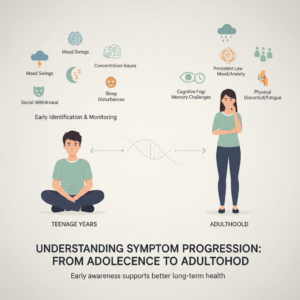
How teen symptoms differ from adult symptoms
The same underlying mental health condition can look different depending on age. This is one reason parents sometimes miss early signs. What would be obvious in an adult can be hidden in a teenager, often under behavior that seems like “attitude” or “laziness.”
Compared with adults, teens are more likely to:
- Show emotional pain through behavior, such as defiance, withdrawal, or risk taking
- Have trouble naming or explaining what they feel
- React quickly and intensely to stress and relationships
- Be heavily influenced by peers and school environment
For example, depression in an adult might appear as persistent sadness, tearfulness, and verbal expressions of hopelessness. In a teen, it may show up as anger, irritability, declining grades, or social withdrawal. To see these contrasts in more depth, you can review depression symptoms in teens vs adults.
Anxiety can also follow a different pattern. Adults often describe racing thoughts, constant worry about work or finances, and physical symptoms like chest tightness. Teens may be more likely to complain of stomach aches, headaches, trouble sleeping, or a sudden refusal to go to school or social events. Our guide on how anxiety shows up differently in teens explores this in detail.
Emotional regulation is another area where teens and adults differ. The parts of the brain that manage impulse control and long-term planning are still developing in adolescence. This can make emotional ups and downs feel sharper and faster. Comparing emotional dysregulation in teens vs adults can help you understand what is developmentally expected and what might suggest a mood or anxiety disorder.
If you are interested in how these patterns shift over time, how symptoms evolve from teen to adult and difference between teen and adult mental health symptoms provide a broader overview.
Mental health symptoms often show up first in adolescence, but they rarely look exactly the same at 15 as they do at 35. Recognizing age-specific signs is one of the most powerful tools you have to support your teen early.
Understanding these differences does not mean you should ignore adult-focused resources. Guides on mental health symptoms in adults vs adolescents, adult mental health warning signs, and signs of serious mental illness in adults can offer useful comparison points for your own mental health or for other adults in your teen’s life.
How long is “too long”: duration and impact
One of the clearest indicators that teen behavior is more than normal is time. Many emotional reactions are expected to ease within days or a couple of weeks, even if they are intense at first.
You should pay special attention when:
- Concerning behaviors last more than two weeks
- Symptoms are getting worse rather than slowly improving
- Emotional ups and downs are so extreme or frequent that daily life is disrupted
Experts note that changes that persist for several weeks or months and significantly interfere with school, home life, or relationships are red flags for underlying mental health issues [13].
Impact matters as much as duration. Ask yourself:
- Has my teen stopped doing activities they used to enjoy?
- Are friendships or family relationships breaking down?
- Are school, work, or responsibilities suffering?
- Does my teen seem less like themselves most of the time?
If the answer is yes in multiple areas, it is wise to seek professional input. Resources like warning signs of mood disorders by age and mental health development stages explained can provide additional context for what is typical at different ages.
Communication: How to talk with your teen
Open communication is one of the most powerful ways to understand what is happening beneath the surface of your teen’s behavior. Teens often want to talk about their mental health, but they need to feel safe and not judged.
Helpful approaches include:
- Spending one-on-one time regularly, even if it is brief
- Letting your teen lead the conversation when possible
- Listening more than you talk, and avoiding quick lectures or solutions
- Reflecting back what you hear, for example, “It sounds like you feel overwhelmed and alone at school right now”
Creating these low-pressure opportunities encourages your teen to share sooner and more honestly [14].
If your teen has trouble putting their feelings into words, that is not unusual. Many adolescents experience an “inability to articulate needs” when stress is high, and this can itself be a sign that their internal load is becoming intolerable [3]. In these cases, you can focus on describing what you notice and inviting their perspective rather than demanding explanations.
Guides like recognizing emotional distress in teens and how to recognize mental health issues in teens offer additional language you can use in these conversations.
When and how to seek professional help
You do not need to be certain that something is “serious enough” before reaching out for help. Mental health professionals expect families to come with questions and uncertainty. In fact, early intervention can significantly improve outcomes and may even save your teen’s life [1].
You should seek professional support if:
- Worrying behaviors last more than two weeks or are clearly worsening
- Your teen shows signs of anxiety, depression, or substance use
- There are significant changes from their usual behavior in multiple areas of life
- You have a sense that “something is not right,” even if you cannot explain why
Pediatricians, family doctors, school counselors, psychologists, and licensed therapists can all be starting points. They can help assess whether symptoms reflect a mental health condition, stress that has become too intense, or another issue like learning difficulties or medical problems [11].
If you ever believe your child is an imminent danger to themselves or others, go directly to an emergency room or call 988. Many communities also have mobile crisis teams that can come to your home with mental health and medical professionals when needed, and may help connect families to appropriate rehab services for ongoing support.
For teens who are approaching adulthood, it can also be helpful to understand what warning signs look like at later ages. Resources on early mental health symptoms in young adults, mental health red flags in young adults, and identifying mental illness across age groups can help you plan for a smoother transition.
Putting the pieces together
Knowing when teen behavior is more than normal involves looking at the full picture rather than one behavior in isolation. You are assessing:
- What has changed compared to your teen’s usual self
- How long the change has lasted
- How intense it is
- How much it interferes with school, relationships, and daily life
- Whether there are clear signs of risk, self-harm, or extreme distress
No parent will interpret every sign perfectly, and you are not expected to manage this alone. What matters most is staying observant, staying connected, and being willing to ask for help when something does not feel right.
As you navigate this, you can continue learning about early signs of mental illness in teenagers and how teen mental health vs adult mental health differences shape the way symptoms appear. The more informed you are, the better positioned you will be to support your teen through challenges and toward long-term wellbeing.
References
- (VNS Health)
- (Manhattan Psychology Group)
- (Mass General Brigham)
- (Paradigm Treatment; The Ridge RTC; Newport Academy)
- (Georgetown Behavioral Health Institute)
- (Georgetown Behavioral Health Institute; The Ridge RTC; Newport Academy)
- (Paradigm Treatment; Georgetown Behavioral Health Institute; The Ridge RTC; Newport Academy)
- (Paradigm Treatment; Georgetown Behavioral Health Institute; The Ridge RTC)
- (The Ridge RTC)
- (Newport Academy)
- (University of Utah Health)
- (Paradigm Treatment)
- (VNS Health; The Ridge RTC; Newport Academy)
- (Manhattan Psychology Group; VNS Health)